

























































Hundreds of outside police agencies were able to poke around in Mountain View’s license plate camera database without the city realizing it, the Mountain View Police Department revealed yesterday. The quiet access has triggered an internal audit and fresh scrutiny of the city’s contract with vendor Flock Safety, while residents and advocates worry the data could be repurposed for immigration crackdowns or to keep tabs on protests. City leaders say they are now poring over logs to figure out who ran searches and for what stated reasons.
Flock Safety and its automated license plate reader, or ALPR, networks have already been under a national microscope. Public records and audits elsewhere showed police hopping across jurisdictional lines to search each other’s plate scans, and the company put some federal pilot programs on hold last year amid questions about why federal agencies were running queries, according to AP News. Civil liberties researchers have logged millions of searches on Flock’s systems and warned the network can be used to track protesters and immigrants, per an analysis from the Electronic Frontier Foundation. That broader fight over how police share license plate data now forms the backdrop for Mountain View’s review.
What Mountain View’s audit showed
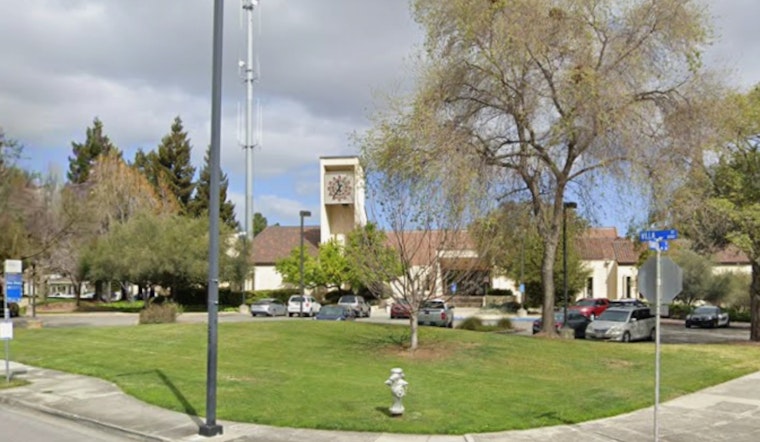
Mountain View’s latest audit, which the city launched after a public records request, found that one Flock camera at Charleston Road and San Antonio Road had its “national lookup” setting turned on for roughly three months in 2024. The same review found a “statewide lookup” setting was enabled across the city’s network from the time of initial installation until Jan. 5, 2026, which meant other California agencies could query Mountain View’s data, according to Mountain View Voice.
The city finished installing 30 Flock cameras on Jan. 16, and the police chief told the outlet he was “very disappointed” to learn that such access had been available without the department realizing it. Documents and the department’s public dashboard show that about 75 California agencies were granted access, and more than 250 additional agencies ran searches. All told, there were around 600,000 queries from December 2024 through December 2025, though many of the reasons for the searches were blacked out in the records released to the paper.
Legal and community fallout
State law in California bars police from sharing ALPR data with out-of-state agencies or using it for immigration enforcement. Mountain View’s revelation is landing at a moment when that very issue is already in court: last fall, the state attorney general sued El Cajon, alleging the city unlawfully shared Flock data with out-of-state entities, according to NBC San Diego.
Civil liberties organizations argue that wide-open access to license plate records can discourage people from attending protests and put immigrant communities at risk. Those alarms have been amplified by national research that uncovered extensive cross-jurisdictional searches on Flock’s network, per the Electronic Frontier Foundation. In Mountain View, the concern is that a system sold as a local crime-fighting tool may have been anything but local.
Next steps for the city
Mountain View police say they are now running keyword searches on the audit logs, looking for terms such as “ICE,” “immigration,” and “CBP,” reviewing what partner agencies searched for, and assembling a report for the City Council that could recommend new access limits or changes to the Flock contract, according to Mountain View Voice. The department has already removed the El Cajon Police Department from its ALPR network after learning that El Cajon queried Mountain View’s data, and officials say they will keep the public updated as the review moves forward. Flock told the outlet it would meet with the department to discuss the concerns.
What happens next will largely depend on how thorough the audits are, how tough the rewritten policies become, and whether the City Council decides to clamp down on access or scale back a program that many neighbors already see as uncomfortably intrusive.




