

























































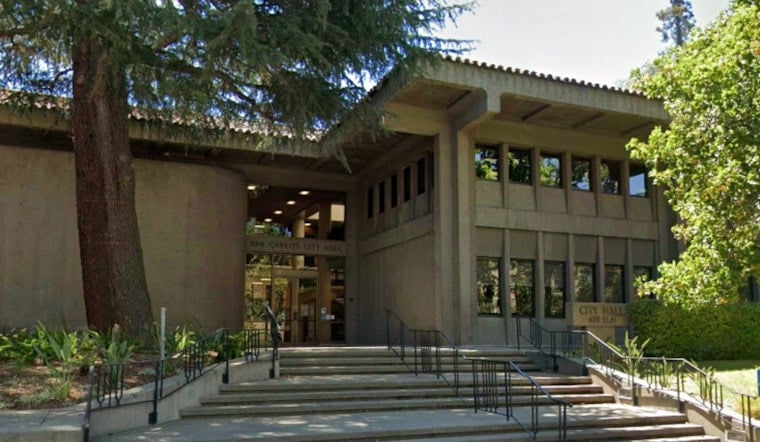
San Carlos is gearing up to ask voters in November 2026 whether a half‑cent sales tax should bankroll a major catch‑up on long‑delayed infrastructure work. City leaders say the measure could bring in about $6 million a year to tackle worn streets, aging sewers and tired parks, while finally getting downtown Specific Plan improvements off the drawing board and into construction. Officials are framing the proposal as a temporary funding stream for one‑time repairs and upgrades, not a permanent expansion of city services.
What the Measure Would Pay For
City staff say the new revenue would be steered toward visible, nuts‑and‑bolts projects: resurfacing pothole‑ridden streets, repairing sewer and storm‑drain lines, replacing broken sidewalks and curbs, and keeping parks maintained and upgraded. The plan also calls for sprucing up the downtown streetscape. According to the City of San Carlos, the measure would prioritize maintaining rapid 911 response and other core public‑safety services alongside the repair work.
repairing aging infrastructure, and improving Downtown.
— City of San Carlos (@CityofSanCarlos) April 24, 2026
➡️Stay informed at https://t.co/QFg8aeoCqN. (2/2)
Why City Leaders Say It Needs Money
City planning and budget documents point to a widening gap between what San Carlos has planned and what it can actually afford. A Request for Proposals for election consultant services pegs core downtown improvements at roughly $65 million and says the city needs about $20 million in new local funding just to jump‑start that work (City of San Carlos). The adopted capital budget lays out a multi‑year Capital Improvement Program with recommended spending topping $150 million, and the same budget includes an unfunded projects list that staff say is driving the current push for new revenue (City of San Carlos).
Infrastructure by the Numbers
City planning materials outline how much infrastructure San Carlos is responsible for maintaining. The general plan and sewer planning files document about 106 miles of sewer mains, plus dozens of miles of stormwater channels and hundreds of inlets that require regular inspection and repair. That inventory helps explain why officials keep returning to local funding options rather than delaying more work. For technical details and maps, the city points to its long‑range planning documents and master‑planning reports (City of San Carlos).
How Much It Would Cost Shoppers and Next Steps
City estimates put the half‑cent tax at roughly $6,000,000 in annual revenue. Essentials such as groceries, prescription medicine, diapers and feminine‑hygiene products would be exempt, and officials say a $10 purchase would add about five cents at the register. According to the City of San Carlos, community outreach is expected to continue through the summer of 2026, and the City Council plans to decide whether to place a measure on the ballot before the August 7 filing deadline.
Why This Matters Beyond San Carlos
The San Carlos proposal is landing in the middle of a larger Bay Area tug‑of‑war over new local and regional taxes for transit and county services. Caltrain and other regional agencies have warned they could be forced to cut service without fresh funding, and San Mateo County has been polling voters on potential half‑cent measures for childcare and other priorities. All of that could influence how Peninsula residents feel about another local tax on the same ballot. For background on the regional needs and polling, see reporting from Caltrain and the Palo Alto Daily Post.
For now, everything is still in the planning and outreach phase. If the council ultimately votes to place the measure on the ballot, voters would see a defined list of projects the money is intended to cover. City officials say residents should expect more public workshops and project‑level detail through the spring and summer outreach push before any final decision on the ballot language is made.



