

























































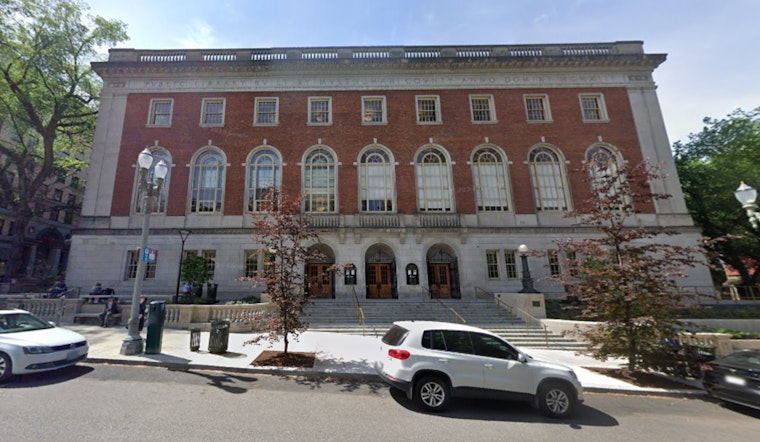
Multnomah County is shelving the idea of metal detectors at the Multnomah County Central Library in downtown Portland, deciding the security step would be expensive, staff intensive and unlikely to fix the deeper social and public health problems behind most incidents at the busy branch.
The decision, laid out in a memo from County Chair Jessica Vega Pederson and Chief Operating Officer Christopher Neal, confirms the county will not move ahead with weapons screening at the downtown library, according to The Oregonian.
Review Finds Detectors Costly, Complicated And No Cure-All
County and library staff spent months studying whether metal detectors, wanding or bag checks could realistically work in the Central Library’s open, high-traffic layout. Library leaders presented research and a racial equity impact assessment warning that screening could disproportionately affect people of color, people experiencing houselessness and patrons with neurodiversity. Those concerns, along with legal and operational questions about administrative searches and staffing, were laid out in a briefing to county commissioners.
As outlined by Multnomah County, the review raised basic but thorny questions: how screening would work in practice, who would be responsible for enforcement and whether problems would simply move into nearby public spaces instead.
Sticker Shock And Staffing Needs Tip The Scales
The price tag turned out to be a major sticking point. A November memo from Library Director Annie Lewis estimated upfront installation costs at about $315,000 and put yearly staffing for a screening program at roughly $576,000. Leasing a detection system instead was projected at about $43,000 to $44,000 per year, according to reporting.
The numbers suggested weapons screening could significantly inflate the Central Library’s security budget and force trade-offs with other services. The Oregonian reported those estimates and the internal analysis that guided the decision.
Summer Violence Outside Puts Library Under Microscope
Scrutiny intensified after a fatal shooting on the library steps in July, followed by a stabbing across the street in August. Those back-to-back incidents prompted police commanders to call for tougher entry screening and other changes, and pressure from nearby businesses added urgency to the debate over how to make the area safer.
That timeline, along with the police recommendations, was chronicled in local reporting. Willamette Week covered the police memo and subsequent steps taken around the library.
Staff Skeptical As Downtown Businesses Push For More
Inside the building, many library workers were wary of weapons screening. A voluntary staff survey and conversations with managers showed broad concern that detectors could create long lines, add barriers for patrons and hand staff new enforcement burdens they did not want.
The staff opposition was documented in local coverage, while downtown retail and business groups continued to push for non-intrusive detectors and other moves to improve safety around the block, according to the Portland Metro Chamber.
County Bets On Targeted Security Upgrades Instead
Instead of permanent weapons screening, the county plans to hire a Library Safety and Security Manager, bring in a third-party consultant to identify additional measures, expand contracted security and pilot vapor sensors in restrooms to detect illicit drug use. The library has already limited Wi-Fi after hours, temporarily removed some exterior benches for repair and increased perimeter patrols while outreach groups work the surrounding blocks.
Those current and planned steps are laid out in the Multnomah County Library’s community update. Multnomah County Library detailed the near-term projects and the request for further study before committing to any weapons screening.
County leaders emphasized that metal detectors alone would not resolve issues rooted in housing instability, behavioral health and substance use, and they urged pairing any physical security changes with investments in services. Library Director Annie Lewis told the Board she did not believe there was enough information yet to move ahead with weapons detection and called for more testing and procedural planning.
These themes, balancing open access with safety and favoring services and targeted interventions over sweeping security hardware, are expected to shape downtown policy as new hires, pilot projects and consultant recommendations roll out. Local coverage has followed the debate from the initial police memo through the county’s decision and the phased response now underway. community reaction has also been tracked over the course of the discussion.





