

























































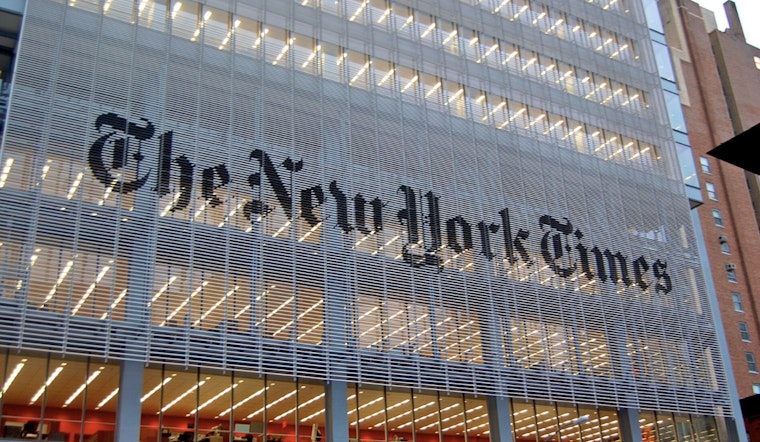
In a move to champion the freedom of the press and the First Amendment, New York Attorney General Letitia James filed an amicus brief yesterday, backing a lawsuit the New York Times initiated against the Department of Defense (DOD). The lawsuit addresses the DOD's recent imposition of stringent policies which limit independent journalist access to the Pentagon, potentially undermining the public's right to informed coverage of military matters. According to the Attorney General's Office, this move defends not just journalists, but the democratic right of the public to transparency in military affairs.
Introduced in the autumn of 2025, the DOD's controversial rules demand that reporters agree to conditions that challenge their ability to question sources and publish new information—a situation leading most news organizations to relinquish their press passes rather than comply. The DOD's stringent guidelines allow officials to revoke a reporter's credentials for dealing with any "unauthorized" information, and call for journalists to possibly consult the Pentagon before reporting on certain matters. Stripping away the ability to gather unfiltered information, this policy effectively locks experienced reporters out of the Pentagon, leaving military families and civilians in the dark on key defense issues.
Stated by Attorney General James, "The freedom of the press is critically important to our Constitution and our democracy," emphasizing that clear and unbiased information about the military is a fundamental American right. Furthermore, amid these contentious restrictions, a broad spectrum of outlets, from Fox News to specialty military coverage publications, have rejected the new policy, according to statements made by the Attorney General's Office. As a result, vital insider coverage on military decisions, including those affecting the safety and well-being of servicemembers and citizens, is at risk of being significantly diminished.
The Attorney General vehemently argues that the DOD's policy infringes on the foundational principles of press freedom enshrined in both the U.S. Constitution and New York state constitution. Essential journalistic activities such as interrogating sources and assembling news are cornerstones of a functioning democracy, highlighted by James in her support of the constitutional guarantees the press indulges in. Press freedom's role in promoting government accountability and enabling voters to make informed decisions has been underscored by the Attorney General, urging that the new policy's detrimental effects on these rights be acknowledged by the court.
This legal development occurs as the New York Times seeks a summary judgement to stop the DOD's restrictive media policies. By filing the amicus brief, Attorney General James hopes for a swift judicial intervention to protect the constitutional rights of the press and, by extension, American democracy itself.




