

























































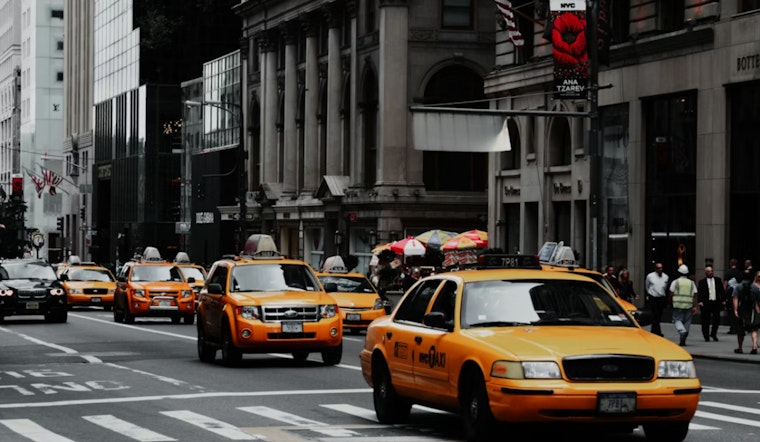
New York City's public transportation has experienced changes in travel speeds since congestion pricing tolls were implemented a year ago. A recent Bloomberg article reported faster movement for buses and taxis in Manhattan’s busiest areas. A study by the Regional Plan Association found that taxi trips within the congestion zone saw a 1.4% increase in average travel speed, while bus speeds increased by up to 3% compared with pre-toll levels.
The program, which charges most passenger vehicles a $9 fee during peak hours to enter areas south of 60th Street, was introduced to reduce traffic. The Metropolitan Transportation Authority reported an 11% decrease in traffic, contributing to improvements in public transportation efficiency within the tolled area. Traffic through tolled tunnels into Manhattan has decreased by 3.1%.
The Gothamist reported on the program’s outcomes after its first year. Vehicle entries into the congestion zone declined by approximately 10%, or about 2 million fewer vehicles. A six-month post-launch report from the governor’s office indicated an 8.4% increase in pedestrian traffic, a 15% decrease in traffic-related injuries, and a 45% reduction in noise complaints.
Support for the program among residents appears to be growing as its effects become more visible. Transportation analyst Bruce Schaller told the Gothamist that many people recognize the reasoning behind the program and have noticed some of its outcomes. Concerns about the impact on working-class New Yorkers have yielded mixed responses, with some drivers reporting challenges related to changes in their commutes and expenses.
Although the debate in New York has lessened, the city’s experience is being used as a reference for other municipalities considering similar measures. Kathy Wylde, President and CEO of the Partnership for New York, stated that she has advised officials from cities such as Los Angeles, who are exploring congestion pricing and seeking guidance on managing potential challenges.
The congestion pricing toll is projected to generate $548.3 million in net revenue for 2025, which the MTA reports will be used to support the modernization of New York City's transit system. This funding is intended to contribute to updates and improvements within the city's transportation network.


