

























































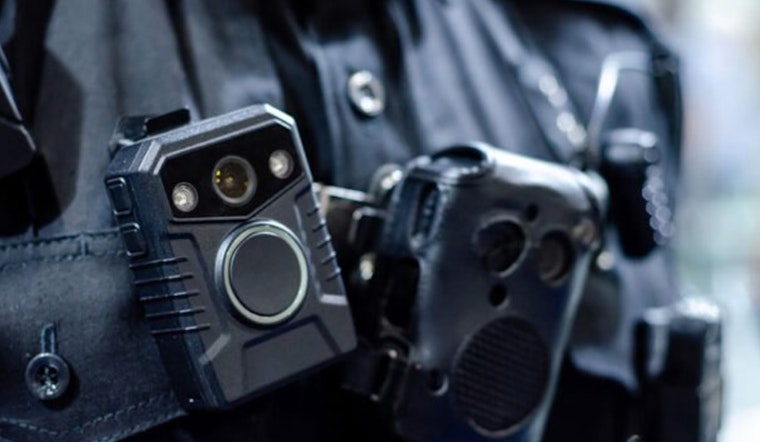
The pursuit of public records in New York, particularly when it comes to the NYPD's handling of FOIL requests for Body-Worn Camera (BWC) footage, has recently been highlighted as a significant issue. Sgt. Jordan Mazur, former records access appeals officer for the NYPD, has authored a guide titled "FOIL Made Simple," as reported by Gothamist. In this manual, Mazur encourages patience, precision, and polite discourse, suggesting that these are key factors for successfully prying open the tight clutch of government agencies on their records. Yet, figures suggest this ideal may not reflect the full reality, as an analysis of OpenRecords data by Reinvent Albany indicates the NYPD received a staggering 37,537 FOIL requests in 2024 alone.
On the subject of access to BWC footage, a recent audit by New York City Comptroller Brad Lander revealed that the NYPD failed to respond to 85% of such requests within the mandated 25 business days. Furthermore, in some cases, the department took more than four years to respond, with an average turnaround of 133 business days. Despite Mazur's advice, patience alone does not seem to resolve the systemic issues in acquiring BWC footage through standard requests.
According to the comptroller's audit, when denials of BWC footage are appealed, the NYPD overturns its own decision 97% of the time. This staggering statistic may suggest an initial over-restrictive approach to FOIL requests by the department. In contrast, Gothamist reports that Mazur sees precision in requests and forming personal relationships as the remedy to bureaucratic reluctance. While the NYPD spokesperson argues against the notion that forming a relationship is necessary to obtain records, the comptroller's findings paint a more challenging picture for requesters who often must navigate delayed responses and denials without such personal rapport.
Transparency advocates have also weighed in on this issue, with Bobby Hodgson of the New York Civil Liberties Union stating to Gothamist that the NYPD has been "really deficient in the way they respond to FOILs" for a long time, as per Gothamist. This deficiency is exemplified by the NYC Comptroller's unsettling findings: a large portion, representing 20% of FOIL requests for BWC footage, took over a year to produce. Moreover, 18% of video interactions were improperly recorded by officers, and the NYPD could not account for 36% of body camera footage files for 911 dispatches. These shortcomings further illustrate the gap between the department's stated policies and the reality of its practices.
The comptroller's recommendations for the improvement of the NYPD's BWC program include steps such as increasing legal bureau staffing levels, ensuring that all patrol officers are immediately provided with cameras, and conducting assessments to determine if the program genuinely enhances compliance with policies and respectful interactions with the public.





