

























































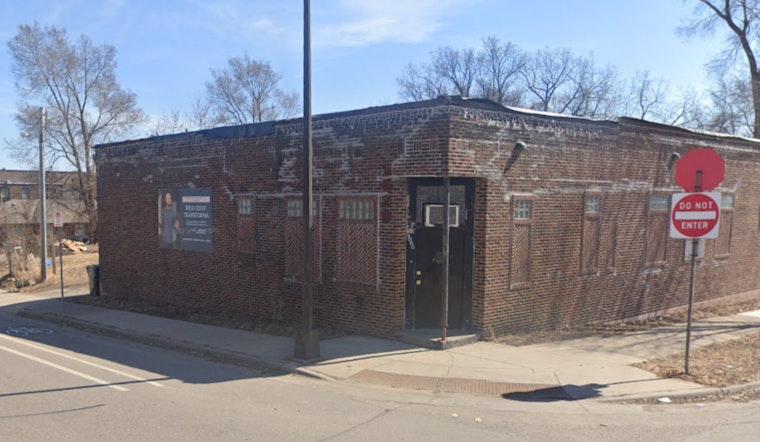
In North Minneapolis, Pastor Victor Martinez of New Generation Church has quietly turned his ministry inside out. As federal immigration enforcement operations sweep through the Twin Cities, he is spending his days packing up families’ belongings, driving people to safer locations and turning his small bilingual congregation into a full-time relief hub. Regular church attendance has dropped as neighbors stay home out of fear, and Martinez says Sunday worship is taking a back seat to getting groceries and legal information to families facing possible deportation. Volunteers now run food lines, offer rides and hold “know-your-rights” sessions in place of some of the usual Sunday traditions.
On-the-ground relief and hard choices
Local reporting shows Martinez carefully wrapping a congregant’s leather-bound Bible in clothes and sealing it in a black garbage bag before a deportation, then making repeated trips to a Saint Paul detention center to collect belongings for people who have been taken, work that has become urgent for families, according to North News. New Generation has opened its doors to Minnesota Blessings Support Services, and together they delivered groceries to roughly 300 people last week; volunteers say the need was closer to double that. Some nearby businesses are now effectively acting as delivery services for customers too afraid to step outside.
From pulpit to politics
Martinez is no stranger to civic life on the northside. He has twice run for a Minneapolis City Council seat and has been outspoken in public-safety debates, relationships that now help his church mobilize quickly when neighbors call for help, according to Sahan Journal. The current enforcement surge has also altered how he talks about policing and public safety, as the day-to-day scramble to shield families has overtaken the usual political back-and-forth.
A city under federal enforcement
The church’s pivot is playing out in the middle of a sweeping federal operation. The Department of Homeland Security has sent roughly 2,000 agents to the Minneapolis–Saint Paul area in what officials describe as an unusually large enforcement push, a move that local leaders say has triggered widespread fear and disruption. National coverage has detailed protests, confrontations with federal officers and the use of crowd-control munitions in residential areas, episodes that have driven many people indoors and put extra strain on community institutions, according to reporting from The New York Times.
Businesses and churches feel the strain
Small Latino-owned restaurants and markets in North Minneapolis and nearby suburbs have cut hours or shut their doors altogether as customers steer clear of public spaces, and some shops are now arranging delivery for clients who refuse to leave home. One neighborhood grocer near Penn and Lowrey has been scrambling to find enough drivers to get food to housebound residents, a snapshot of how daily life has been rearranged by enforcement activity and fear. Volunteers, including people who say they almost lost their own footing after encounters with ICE, have stepped in with skilled labor and outreach to keep the support network functioning, the reporting notes.
How the church is responding
New Generation has redirected its fundraising and volunteer energy toward rent support, groceries and rides to work; the congregation’s website now highlights ways to donate and sign up as a volunteer while regular services are adjusted to meet immediate needs, according to the church’s online information. That faith-based effort is one of the ways neighbors are trying to fill gaps while legal organizations and civil-rights advocates challenge federal tactics in court. For those looking to plug in or seek help, the church maintains online contact and giving pages with details on its relief work.
The enforcement surge shows how quickly a neighborhood pastor can be pulled into de facto emergency management when public institutions are overwhelmed and daily routines collapse. Martinez and his volunteers say their short-term mandate is blunt and urgent: keep people fed, keep kids safe and buy time while lawyers and elected officials push for oversight and clearer answers.




