

























































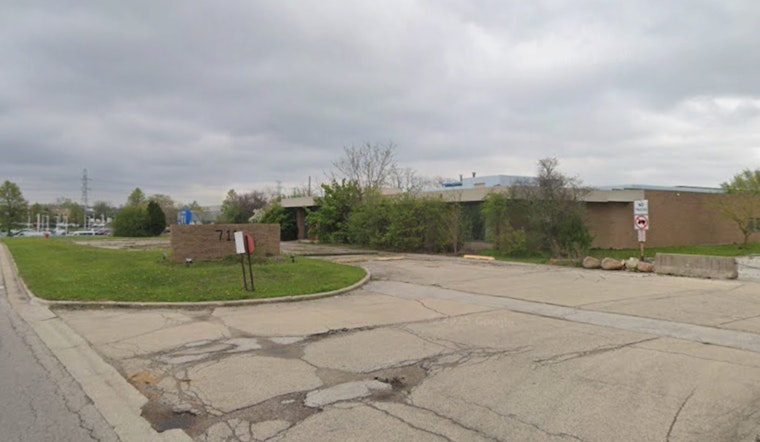
The fight over a proposed data center in Lisle did not even make it to the opening arguments. A planning and zoning hearing on the long-vacant Lockformer property was abruptly postponed this week after more than 300 residents crammed into Village Hall on Jan. 21, far beyond what the building could handle. With the chambers and overflow room stuffed and people still lining the hallway, staff pulled the plug on the meeting while officials and organizers hunted for a bigger space. The developer is pitching a roughly 256,000-square-foot, two-story facility that would draw about 50 megawatts of power to feed servers, cooling equipment, and backup systems.
Why was the meeting stopped
The planning and zoning commission called off the hearing when attendance blew past the 250-person capacity of the board chambers and overflow area, and some residents responded with boos when the decision was announced, according to the Daily Herald. Village officials warned that pressing ahead without enough room for everyone could run afoul of the state’s open meetings law. Mayor Mary Jo Mullen noted that the site’s history of pollution has made redevelopment especially fraught for nearby families, adding another layer of tension to an already packed house.
Site, scale and power
Cloud Centers LLC is asking the village to sign off on a plan to remake the roughly 18-acre former Lockformer site at 711 Ogden Avenue as a colocation hub, with a two-story, approximately 256,000-square-foot building designed to use about 50 megawatts of power, according to project filings reviewed by Data Center Dynamics. Those documents highlight a major selling point for the developer: a ComEd-owned Lisle substation sits roughly 500 feet away. That proximity makes it easier to feed the facility’s huge power appetite, but it also means hefty electrical infrastructure would sit close to backyards and neighborhood streets.
Neighbors’ concerns
Residents are zeroing in on what they would live with day to day: rows of diesel backup generators, the constant hum and whir of mechanical equipment and emissions from the cooling systems. The Lockformer site was once at the center of a major environmental scandal after solvent leaked into local drinking water, and critics say that legacy makes any new project on the property especially sensitive, according to The Real Deal. “My main concern is all the diesel backup generators,” Lisle neighbor Vanessa Berry told ABC7 Chicago. Organizers say the village has already logged nearly 250 emails about the proposal, with the vast majority coming out against it.
What comes next
The Village of Lisle has put the data center application materials online and says the commission will reconvene the hearing at a larger venue once one is secured. Under village rules and state law, officials must provide at least 15 days of public notice before setting a new hearing date, according to local reporting and the village’s own posting. The public packet includes the developer’s site plan and a plat of consolidation for 711 Ogden Avenue, all hosted on the village’s civic website. A representative for Cloud Centers did not speak at the abbreviated meeting, and village staff said they do not expect the proposal to come back before the commission until the notice period has run its course.
Regional pushback and policy context
Lisle’s timeout comes just one day after Naperville’s City Council rejected a separate data center plan, a high-profile defeat that has energized opponents across the western suburbs, as reported by The Real Deal. The broader backdrop is a regional rethink of large-scale industrial development, including Aurora’s temporary moratorium on new data center and warehouse approvals while city officials study potential neighborhood and infrastructure impacts, according to the City of Aurora.
Until Lisle posts a new hearing date, residents and village leaders will be left to weigh whether this project can thread the needle between regional power and redevelopment goals and very local health and quality-of-life fears. The delay gives opponents extra time to organize and gives the village time to secure a space big enough to ensure that, next round, everyone actually fits in the room.




