

























































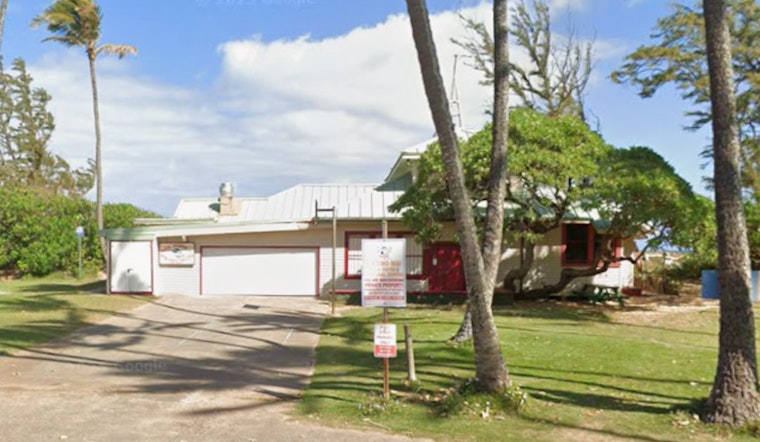
With the high-water line now fewer than 25 feet from its doors, the Pa'ia Youth & Cultural Center is not waiting to see how much closer the ocean plans to get. The nonprofit is moving ahead with plans to replace its aging shoreline building with a raised, two-story facility on county land just mauka of the current site. The privately funded project, estimated at about $12 million, is designed to put all program space above expected flood levels while keeping the existing center open until the new building is finished, as reported by Maui Now.
Designers say they want to preserve the center’s familiar beachfront feel while turning the ground floor into a hardened zone for parking and storage. Leaders add that the new layout would finally give staff room to expand youth and cultural programs. Organizers are eyeing permitting work in 2026, a construction start in 2027 and a possible opening in 2028.
According to Maui Now, the draft project design calls for about 4,300 square feet of interior program space, a 1,200-square-foot covered lanai and a 13-stall parking lot with an on-site retention basin to control runoff. Because the new parcel would still sit inside a mapped flood zone, architects propose lifting the main floor on concrete pillars and using breakaway walls on the ground level so water can pass through with less structural damage. Project consultants say the plan intentionally keeps public activity on the second floor while reserving the ground level for storage, access and parking.
Draft environmental assessment posted
The project’s draft environmental assessment was posted in the state’s Environmental Review Program on Dec. 8, 2025, opening a formal review and public comment period, according to the program’s open-for-comment listing. The state listing identifies the filing and invited written feedback during the review window as the nonprofit and its consultants complete technical studies and prepare permit applications.
Voices from the center and expert view
Board president Billy Jalbert told attendees at a community open house that “Mother Nature is telling us it’s time to start making some plans,” noting that the center is beginning the third year of a new 50-year lease. Coastal planner Thorne Abbott of Coastal Planners told reporters that while avoidance is preferable, “you can build in the flood zone — you just have to build differently,” explaining that proper elevation and flood-adapted detailing can make a structure viable on a vulnerable shoreline. Those comments and community testimony were gathered as part of the public outreach tied to the draft assessment.
Permits, funding and next steps
Local coverage notes the project will still have to navigate county review processes, including special management area (SMA) considerations, and is expected to seek building permits next year before breaking ground in 2027. The center’s leaders say the campaign to raise the privately funded construction budget will ramp up over the coming months as the project moves through design review and permitting.
Shoreline threats give the project context
Pa'ia’s push to move mauka comes against a backdrop of visible shoreline loss elsewhere on Maui. Coastal erosion claimed the Baldwin Beach Park pavilion in 2024, and gravestones at the Pa'ia Mantokuji Soto Zen Mission cemetery have been slipping into the surf for years, a stark reminder of how quickly shorelines can change. Those nearby losses are part of a broader islandwide pattern that residents and planners cite when weighing managed-retreat and dune restoration options.
The draft environmental assessment remains available through the state review portal, and county review meetings will give the public further chances to hear details and ask questions as the project advances through 2026 and into construction planning.





