

























































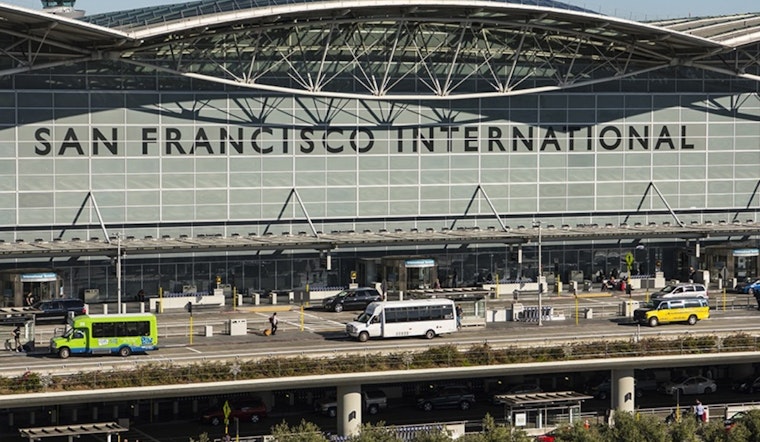
Palo Alto is quietly cranking up the pressure on San Francisco over the long-range plan for San Francisco International Airport, filing a fresh batch of technical and legal documents to back its CEQA appeal. The move trails the San Francisco Planning Commission’s November certification of the airport’s Final Environmental Impact Report and the Airport Commission’s December vote to approve the Recommended Airport Development Plan. Neighbors on the Midpeninsula say this is not just a fight about new gates and parking garages. It is about where the planes fly, how loud they are, and how much pollution they funnel into their neighborhoods.
According to the City of Palo Alto, officials uploaded a packet titled “City Submittal of Additional Documentation in Support of the City's Appeal of the SFO Development Plan” last Friday, to supplement an appeal originally filed on December 19, 2025. The city says the package contains technical analyses and legal arguments that aim to show the FEIR downplays noise and air-quality impacts by leaning on speculative assumptions about future growth instead of focusing on current operations. In plain English, Palo Alto is accusing San Francisco of wishful thinking on the numbers.
What Palo Alto Is Arguing
Palo Alto’s appeal contends the FEIR treats the RADP as purely demand-triggered and, as a result, fails to grapple with how the plan itself could spur or accelerate changes in airport operations that would increase noise and pollution in nearby cities. Local reporting notes that the city has hired aviation noise experts, outside legal counsel, and federal legislative consultants, both to press its case and to brief residents on possible health impacts. Palo Alto Online has detailed the appeal and the city’s concerns.
Planning Department and SFO’s Stance
San Francisco planning staff recommended certification at the November 20 hearing, saying the Final EIR and the responses-to-comments document address issues raised during the draft phase and concluding that the report is adequate, accurate, and complete for the Planning Commission’s purposes. The Commission voted to certify the FEIR at that meeting while acknowledging that some operational air-quality impacts remain “significant and unavoidable.” San Francisco Planning Commission.
Legal Grounds and What Is at Stake
Palo Alto argues the Airport Commission’s December 16 approval leaned on a certification that was not yet final and therefore violated both CEQA and San Francisco’s local appeal rules. CEQA Guidelines section 15090 allows certification by a non-elected body to be appealed to the lead agency’s elected decision-making body, and San Francisco’s Chapter 31 spells out the appeal process and timing that Palo Alto has triggered. See CEQA Guidelines §15090 and the city’s local rules under S.F. Administrative Code §31.16 for context.
What Neighbors Should Watch
For residents, the fight boils down to flight tracks. Palo Alto says three arrival corridors into SFO sweep across the city and that NextGen-era procedures have tightened those routes. The FAA’s NextGen modernization aims to make flight paths more precise and predictable, which can lower some system-wide impacts but also concentrate noise and emissions into narrower corridors that are hard to ignore if you live under them. FAA NextGen describes those dynamics.
Where It Stands
The city says the new submittal will be taken up at an appeal hearing scheduled for February 3, at 3 PM, where Palo Alto’s additional technical work and legal claims are set to go before the review officer. In its public materials, the city urges San Francisco officials to hit pause on further RADP implementation until the appeal is resolved and questions about noise and air quality are fully aired.





