

























































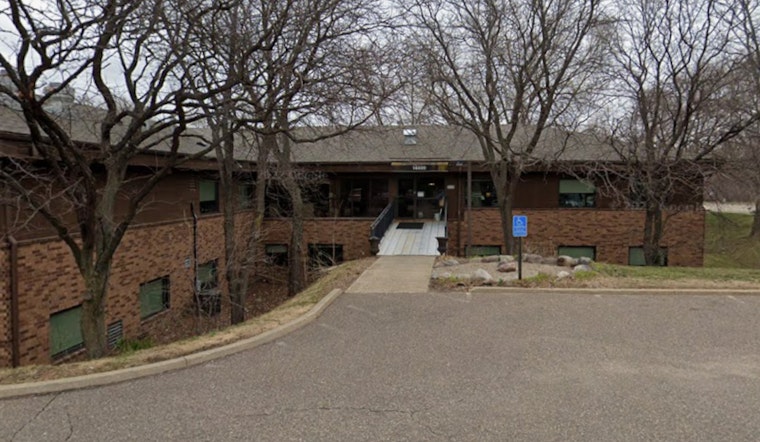
The sudden shift at Pride Institute’s Eden Prairie campus from residential to outpatient care at the start of January has left Minnesota’s queer recovery community scrambling. With one of the region’s only LGBTQ+ centered residential programs now off the table, clinicians, sober-house operators, and advocates say they are racing to find safe beds and culturally competent support for people who cannot stay sober without round-the-clock care.
How the program changed
As reported by KSTP, the Eden Prairie site has stopped taking new residential admissions and is shifting its focus to outpatient services. Foundations Minnesota, where the PRIDE Program is now housed online, lists intensive outpatient, partial hospitalization, and virtual offerings out of its Minneapolis and Eden Prairie locations. According to the operator, the pivot is meant to broaden access and keep the program financially viable amid what it describes as changing demand.
Staff and patients
Industry coverage indicates the decision ripples through both payroll and patient care. Becker’s reported that Universal Health Services planned to shut down inpatient services at Eden Prairie, lay off the majority of staff there, and shift those beds to a Palm Springs facility. Advocates told MinnPost that the residential arm of Pride, a fixture in regional queer recovery for roughly 40 years, leaves an immediate access gap. Community leaders say those laid-off staffers, along with clinicians trained specifically in LGBTQ+ residential care, will not be easy to replace on a tight timeline.
Where patients may turn now
In the near term, some people may be redirected to Latitudes at Tapestry, an LGBTQ+ focused residential track in St. Paul run by Eosis. The operator’s site describes Latitudes as a dedicated program nested within a larger campus, with separate living quarters and tailored programming, and lists a local contact for referrals. Larger systems such as Hazelden Betty Ford also provide LGBTQ integrative outpatient options in the Twin Cities, which may partially cushion the blow from the loss of Pride’s inpatient beds.
Organizing and next steps
Organizers tied to community groups Marco and Sonder are pulling together a public forum to press officials and providers for a longer-term fix, according to MinnPost. They told the outlet they pushed the town hall back to draw in more voices and to align on specific demands around funding, workforce support and more formal state attention to LGBTQ affirming residential care. Advocates argue that a patchwork of outpatient programs and a single smaller residential option will not be enough unless state agencies, philanthropy or big provider systems put new money and muscle into the space.
What to watch
Universal Health Services acquired Pride Institute in 2010 as part of a broader set of behavioral health deals, according to company filings with the SEC. For now, people seeking help are being directed to contact the PRIDE Program at Foundations Minnesota. The group’s contact page lists the Eden Prairie site at 14400 Martin Drive and a Minneapolis PRIDE phone line. Local leaders say they will be watching closely to see whether state dollars, philanthropic backing or corporate healthcare systems step in to keep queer centered residential capacity from shrinking even further.





