

























































Raleigh Parks is taking action against environmental degradation by targeting invasive species in local green spaces. According to the City of Raleigh, the Invasive Species Program, supported by a $500,000 allocation in 2024, has brought in expert contractors to remove these unwelcome plants. The Master Services Agreement (MSA) has contributed to improvements across Raleigh’s parks and greenways, with more than 90 acres already showing signs of recovery.
Invasive plants, known for their rapid growth, have been displacing native species and reducing available habitat for wildlife. The city has developed a system to prioritize projects based on the severity of the infestation, the effort needed for restoration, and available resources. Details on the city’s website outline multi-year plans for addressing each targeted area.
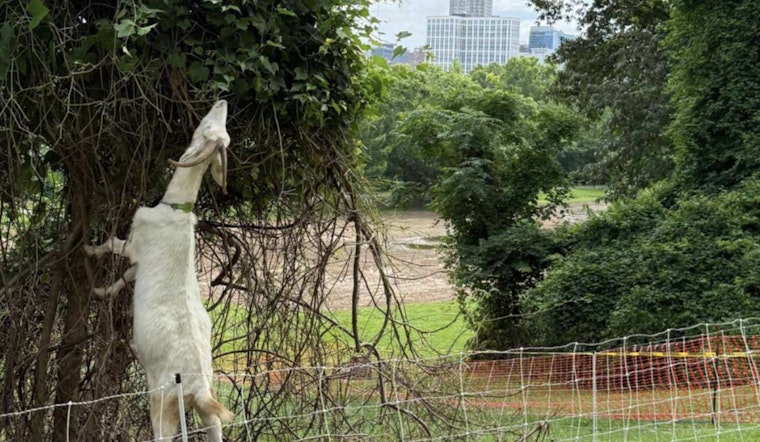
By the end of FY26, the program is expected to impact 28 parks and greenway locations. Improvements include reopened areas for public use, the return of native wildlife, and clearer sightlines for safer walks. Innovative measures are also underway, such as using goats for vegetation control at Dorothea Dix Park and specialized treatments to protect ash trees at Walnut Creek Wetland Park.
The restoration efforts are led by natural resource professionals along with teams from the American Conservation Experience (ACE) and the Conservation Corps of North Carolina (CCNC), according to the city’s MSA report. They are using science-based approaches to help ensure Raleigh’s green spaces remain sustainable for future generations. The program also includes community engagement through educational materials and volunteer opportunities for those interested in hands-on environmental stewardship.
Raleigh Parks recognizes that managing invasive species is a long-term effort. Continued MSA funding supports ongoing maintenance, expansion into new areas, and protection of progress made since 2015. With these efforts in place, Raleigh’s natural areas are being carefully managed. The full FY ’25 and FY ’26 MSA report is available online for those seeking detailed information on the city’s initiatives against invasive plants.



