

























































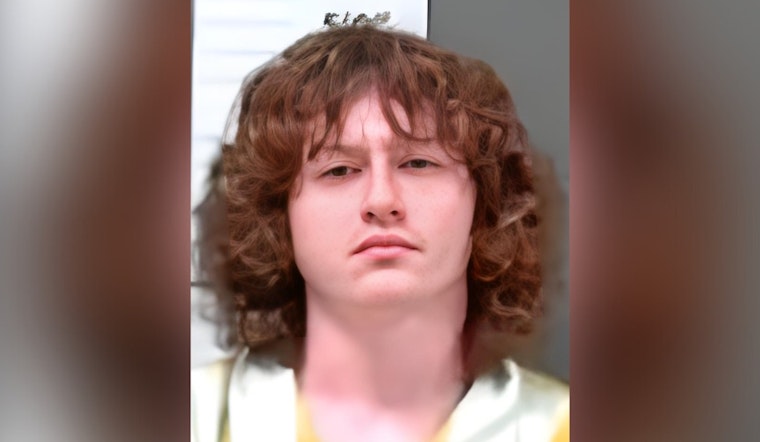
In Richland County, a case involving a fatal road rage shooting has been tossed out by a grand jury, leaving questions and unrest in the community. Wesley Patrick, aged 27, faced voluntary manslaughter charges for the death of 42-year-old Andrew Westlund, following a confrontation on Lexington Springmill Road near U.S. 30 on December 21, 2025. As reported by Cleveland19, the Richland County Court of Common Pleas Judge Brent Robinson ordered the case dismissed without prejudice after the grand jury delivered a "no bill", which allows for the possibility of recharging Patrick.
The incident unfolded when Westlund allegedly exited his vehicle and approached Patrick's car. The encounter escalated to the point where Patrick fired a single round that ultimately took Westlund's life. Patrick claimed self-defense in the aftermath, a narrative detailed in the events that followed, which Crawford County Now noted, adding to the complexities of a case now suspended in judicial limbo.
Testimonies seemed to support the perception of a life-threatening predicament. Ontario police Sgt. Jon Sigler, in a statement obtained by Richland Source, relayed that Patrick alleged Westlund had punched his car window and attempted to enter the vehicle, prompting him to arm himself. However, Patrick also added that Westlund did not have anything in his hands nor did he directly threaten him, complicating Patrick's self-defense claim.
Amid the legal process, Richland County Prosecuting Attorney made a decisive move by submitting a motion to set the charges aside, alluding to an incomplete fabric of evidence as the basis for the grand jury's inability to indict. The term "no bill" underlines this lack of probable cause to carry the case to trial, though it does not expunge the specter of potential culpability in the eyes of the law. Patrick's legal counsel argued his proactive cooperation with the investigation, highlighting his immediate 911 call and consent to searches, further muddying the waters of judgment.
As the case rests in its current unresolved state, it mirrors larger societal frustrations over the intersection of self-defense, road etiquette, and the quick-draw decisions that can lead to irreversible outcomes. Patrick's future remains uncertain, and the community continues to grapple with the echoes of a confrontation that ended in tragedy, with justice, for now, hanging in balance.





