

























































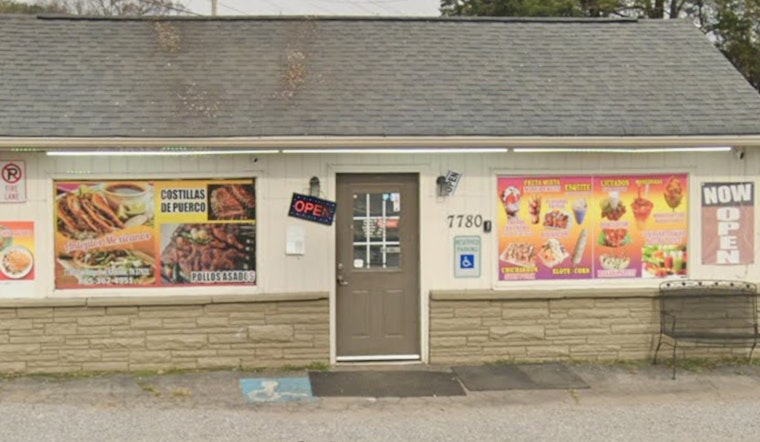
Inspectors flunked a Karns deli on Thursday after finding spoiled corn husks meant for tamales, dirty dishes scattered around the prep area, and a list of other problems that dragged the shop below the local failing threshold. Health officials have already scheduled a follow-up re-inspection.
What Inspectors Recorded
According to WATE, the check at Antojitos Mexicanos Deli ended with an overall score of 62, which counts as a failing grade. Inspectors reported dishes with food debris left in several spots throughout the deli, along with various foods stored directly on the kitchen floor. They also noted visibly spoiled corn husks that were removed and discarded before any service. Health officials told WATE the deli will receive a re-inspection soon.
Why The Findings Matter
Letting food sit too long in the temperature danger zone and storing raw animal products with ready-to-eat items can sharply increase the risk of foodborne illness. The Centers for Disease Control and Prevention notes that retail delis are particularly vulnerable to cross-contamination when raw and ready-to-eat foods are not kept strictly separate. Federal guidance from USDA's Food Safety and Inspection Service and others generally sets safe cold-hold temperatures at about 41°F and hot-hold temperatures at about 135°F.
Violations That Tripped The Score
Inspectors documented several temperature and storage violations during their visit. A container of beans sitting beside a hand sink measured around 50°F, while corn on the cob in a crock pot registered just above 100°F, both outside recommended holding ranges. The report also shows raw salmon stored in the same container on top of cooked chicken and ready-to-eat hot dogs, a setup that creates a clear cross-contamination risk, according to WATE.
Legal Implications
Regulators at the local and state level can require unsafe food to be removed or destroyed and can order corrective actions when they find violations. Under the Tennessee Retail Food Safety Act, inspection reports must be documented and made available to the public, and serious problems can trigger enforcement steps. Operators typically get a chance to fix violations, but repeated or severe failures can lead to permit suspension or other penalties.
Customers who are worried about a restaurant's safety record can ask to see the latest inspection report on-site or contact the county health department for the official file. The deli's upcoming re-inspection will show whether the issues were corrected and whether the health grade improves.



