

























































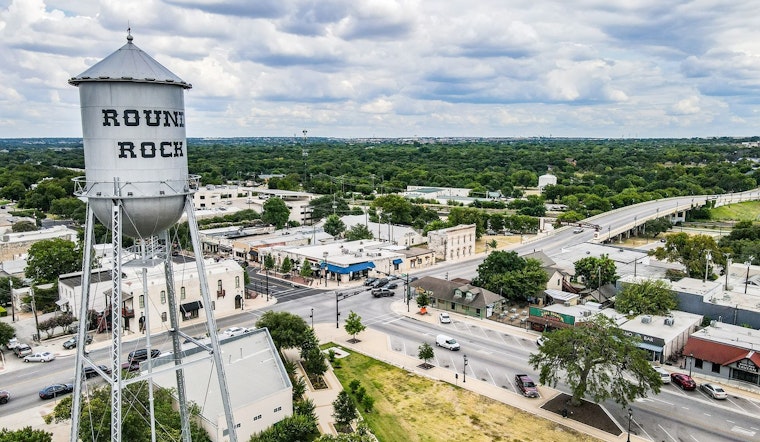
As the bustle of city growth beats on, Round Rock's numbers are ticking steadily upward. The latest population estimate from the city's Planning and Development Services Department, as of January 2026, clocks in at 142,302 residents within city limits. This figure is part of a monthly update to account for housing developments recently completed—the lifeblood of demographic change—counting new single-family units month by month, with multifamily units added to the mix quarterly.
These figures are not merely idle numbers scribbled in some bureaucrat's ledger; they are indicative of the city's constant evolution, felt in the proliferation of development projects that have become a common sighting across Round Rock. The process, outlined by the city officials, involves embedding new housing unit completions into their estimates, capturing the pulse of a city adapting in real-time to its growing populace. With developments completed, according to the City of Round Rock's announcement, this data reflects completed works shaping the human geography for the start of 2026.
Yet, the task of gauging a city's heart rate does not rest solely on recent development. The city's projections undergo a major adjustment every ten years, a recalibration based on the decennial Census. It's a dance between what is anticipated and what is realized, setting the stage for policies and planning that aim to meet the community's needs. This methodology is critical as it maps out the trajectory of the city's growth, informing infrastructure developments and resource allocations tailored to an ever-expanding community.
The ongoing count is more than an academic exercise; it has consequences that ripple through city hall to the neighborhoods being built. The numbers have the power to shape school district planning, traffic patterns, and the development of public services crucial to sustaining the quality of life expected by Round Rock's inhabitants.





