

























































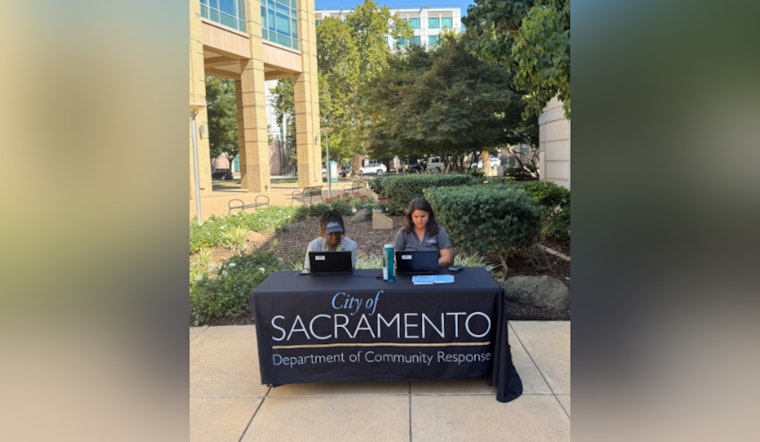
When Mayor Kevin McCarty pushed a ban on sitting, lying or sleeping on City Hall grounds, he sold it as a safety and access tweak, not a sweeping crackdown. Three months after the rule took effect, only a handful of tickets have been written, and that quiet rollout is already changing where people shelter downtown. Outreach teams are still on site offering services, while advocates warn the policy may just be shuffling people into other corners of the city.
After the council vote, McCarty told The Sacramento Bee he did not expect heavy-handed policing, saying, "we're not going to be, I think, bringing in police personnel to enforce it," and that the city would focus on connecting people with services. The message set a clear expectation that the new rule would lean on education and outreach rather than tickets and arrests.
What The Rule Says And How The City Prepared
City Council approved the amendment on July 29, and it took effect Aug. 28, according to the City of Sacramento, which codified the change as Section 12.74.030 of the municipal code. The ordinance bars sitting, lying or sleeping on City Hall grounds at any time and restricts tents, bedrolls and the storage of belongings on city-provided seating. Staff from the Department of Community Response say they spent August on an education push, posting flyers, staffing tables and trying to enroll people in the region’s coordinated access system.
Council Fight And The Politics Behind It
Supporters framed the measure as a way to keep City Hall safe and to trim roughly $343,000 a year in cleanup costs. Critics blasted it as punitive and premature. CapRadio reported that the council approved the change in a 6–3 vote after heated public comment, including from advocates and residents who argued that City Hall had been a relatively safe place to rest. The political fault line has focused less on the wording of the law and more on whether the city can actually provide the housing and low-barrier beds that officials say are supposed to make the rule workable.
Enforcement So Far
On the ground, enforcement has been limited. According to The Sacramento Bee, the Sacramento Police Department recorded 11 citations in the three months after the ordinance took effect, 9 of them in the first month. Sgt. Daniel Wiseman told reporters officers are "starting with warnings" and using citations only as a last resort.
That modest total sits next to earlier reporting that showed a spike in daytime citations under McCarty’s term, roughly 187 between mid-December 2024 and early July 2025, a shift that Sacramento State professor Arturo Baiocchi called "surprising" and urged people to interpret cautiously.
Where People Went Next
People who had relied on City Hall as a relatively safe place to sleep or rest told local reporters they scattered to other downtown spots instead of taking some of the shelter offers on the table. Coverage noted that many moved to nearby plazas and business doorways, while outreach teams kept working the area and trying to sign people up for services.
Legal Penalties
Violations of the new rule can carry misdemeanor charges and civil fines, with local reporting putting the range between $250 and $25,000. City officials say enforcement is meant to be a backstop, with outreach workers staying engaged with people who are camping or resting near City Hall.
All of this is playing out against a larger backdrop. The 2024 Point-in-Time count estimated about 6,615 people experiencing homelessness in Sacramento County, a figure advocates cite to argue that rules alone will not fix a chronic shortage of shelter and affordable housing. City leaders say they plan to keep pairing outreach with enforcement while they watch to see whether the policy actually reduces harm or simply moves it out of public view.





