

























































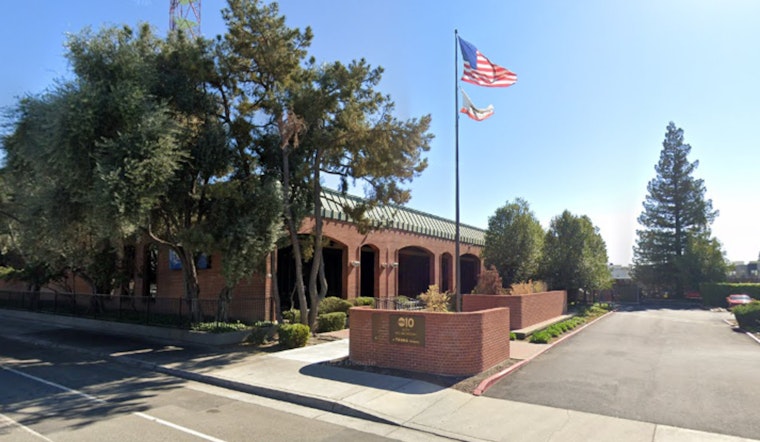
Assemblywoman Maggy Krell is moving to put some real legal teeth behind the idea that you should not shoot at journalists or punish them for doing their jobs. On Wednesday, the Sacramento lawmaker rolled out a trio of bills that would boost protections for reporters and clamp down on political retaliation by public officials. The push comes in the shadow of last September's drive-by shooting at ABC10's Sacramento headquarters, which rattled local newsrooms and sparked a federal investigation.
According to ABC10, Krell's package includes three measures: AB 1545, which would increase criminal penalties for targeted attacks on journalists; AB 1544, which is meant to guarantee consistent access to public court proceedings for credentialed members of the press; and AB 1538, which would require that any public official found to have used their office for political retribution be removed from that position. Krell's office framed the bills in a news release as part of a broader anti-corruption effort.
"Political retaliation through abuses of official power and physical violence has become more common, threatening the independent functioning of the press, courts and universities," Krell said in a statement, as reported by ABC10. She cast the legislation as a defensive line for democratic institutions and for people doing public-interest reporting.
Why The Bills Are Surfacing Now
The timing is not subtle. The proposals land months after a drive-by shooting that sent bullets into ABC10's lobby while employees were inside. No one was hurt, but the attack jolted staff and drew in federal investigators.
The Associated Press reported that investigators later arrested a suspect and recovered notes that prosecutors say pointed to a politically charged motive. The outlet detailed the early findings that turned a terrifying local incident into a federal case.
Federal prosecutors then announced an indictment that included counts tied to interfering with a federally licensed communications station, along with firearm charges. Local coverage by CBS Sacramento noted that prosecutors allege the suspect fired multiple shots into the building and highlighted that the station is located near local schools, a detail that factored into the federal counts.
What Krell’s Bills Would Actually Change
On paper, the bills target a mix of physical threats and political strong-arming. AB 1545 would increase criminal penalties for people who attack journalists because of their work, treating those crimes as more than just random violence. AB 1544 aims to put clear rules into state law about press access to courtrooms, so authorized reporters are not blocked from public proceedings by shifting local policies or ad hoc decisions.
AB 1538 takes aim at a different kind of threat: political payback. It would expand the mechanisms for removing public officials who are found to have turned their offices into tools of retaliation against political rivals or individuals exercising constitutional rights. All three measures still have to survive committee hearings and secure enough votes in the Legislature before they can reach the governor's desk.
The Political And Legal Stakes In Sacramento
Supporters argue the package fills dangerous gaps that leave reporters and court journalists exposed, pointing to the ABC10 shooting as a flashing red warning sign that the status quo is not cutting it. They say that if you can fire bullets into a newsroom or punish critics from inside government without facing serious, targeted consequences, the message to anyone doing watchdog work is pretty clear.
Critics, however, caution legislators about unintended side effects, including how new crimes are defined, how enforcement discretion is used, and what due process protections look like for officials accused of political retaliation.
Gov. Gavin Newsom has already signaled where he stands on the broader issue. After the September attack on ABC10, he denounced the shooting as "an attack on our democracy," underscoring his view that threats to journalists are threats to the system itself, according to the Los Angeles Times. Whether Krell's package becomes law will show how far state leaders are willing to go to back that rhetoric up with statute.





