

























































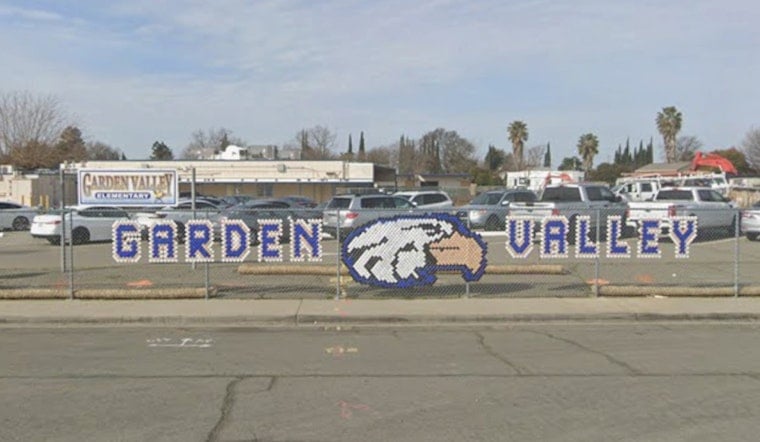
Garden Valley Elementary School in North Sacramento has traded a pair of aging trailers for an 11,000-square-foot building and a new 2,000-square-foot administration office, part of a $17.8 million construction project that Twin Rivers Unified School District celebrated this week. The new complex includes a cafeteria, auditorium and administration building, replacing facilities that staff and board members say the growing campus had long outgrown.
The project was funded half by bond dollars and half by facilities funding, according to KCRA, which reported that Garden Valley's previous administrative space consisted of two trailers put together. Board member Emmanuel Amanfor, who represents Trustee Area 6 on the seven-member Twin Rivers Unified Board of Trustees, said the school was running out of space and that the new facility is very necessary. Amanfor, who took office on July 1, 2026, told the outlet the new buildings will leave a lasting impact on students, and the district described the new administration office as a more welcoming place to work with students and parents.
Garden Valley Elementary staff are thrilled about the project, per the station's report, and the new construction lands amid what Twin Rivers officials describe as growing districtwide enrollment. The campus sits at 3601 Larchwood Dr., where the district had already added a 1,440-square-foot relocatable classroom in 2025 to expand Universal Transitional Kindergarten offerings, according to a state environmental exemption filed with CEQAnet.
New Buildings, Old Staffing Problems
The ribbon-cutting arrives even as some Garden Valley classrooms are already exceeding the district's own contractual limits. Second-grade classes at the school opened the 2026-27 year with up to 28 students, above the 26-student cap agreed to for grades TK through third, as reported by CapRadio, which cited ongoing district staffing shortages. Union leaders quoted in that report pointed to unfilled support staff positions, including instructional aides, as a driving factor behind the overcrowded classrooms.
The disconnect between shiny new facilities and thin staffing comes less than five months after Twin Rivers teachers ended a 12-day strike — the first in district history and the longest in Sacramento County history — that concluded on March 22 with a contract securing 7% raises over two years and full employer-paid family health coverage, according to CBS Sacramento. Union members had picketed for 13 months before reaching that agreement.
A District In Transition
The Garden Valley project also opens under new district leadership. Dr. Tu Moua Carroz officially took office as Twin Rivers Unified superintendent in July 2026, becoming the first female and first Hmong superintendent in the district's history, per the Twin Rivers Unified School District. She previously served as assistant superintendent of educational services for Roseville Joint Union High School District.
District facility planning reports note that school buildings across Twin Rivers average 57 years old, driving efforts to replace temporary portables and administrative trailers with modern permanent facilities districtwide. Twin Rivers is the 27th largest public school system in California, serving roughly 25,000 Pre-K through 12th-grade students across more than 45 school sites, with families speaking between 47 and 53 primary languages. The district, created in 2008 through the merger of four smaller districts including Rio Linda Union and Grant Joint Union High School District, spans about 120 square miles of northern Sacramento County.
Projects like the one at Garden Valley are tracked by a public Citizens' Bond Oversight Committee, which audits spending from Proposition 39 Measure J and Measure K general obligation bonds that fund matching dollars for state facilities grants. Twin Rivers has faced other facility and compliance milestones this year as well; in June, the district confirmed that all 49 of its campuses offer unlocked, accessible all-gender restrooms ahead of state deadlines under California's Senate Bill 760, as Hoodline previously reported.
For now, Garden Valley's new cafeteria, auditorium and administration building stand as a visible win for a district still working through the fallout of last spring's labor dispute. Whether the physical upgrades will be matched by enough staff to keep classrooms within contract limits remains an open question for the campus and the district at large.



