

























































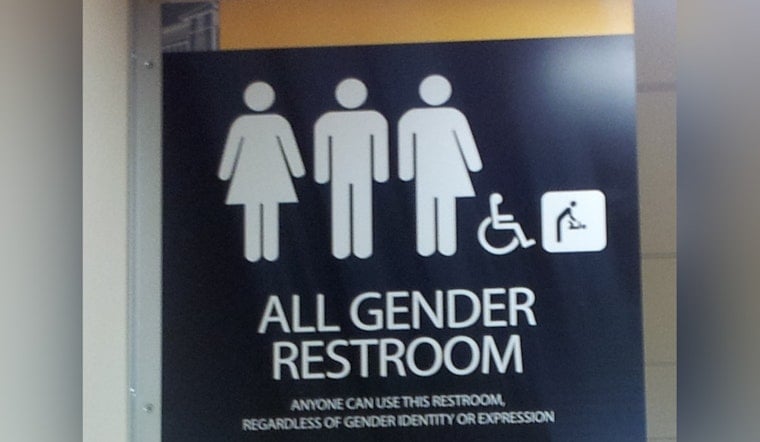
California’s all-gender restroom mandate is not some far-off idea anymore. The new law requiring at least one all-gender restroom at every K-12 school site kicks in on July 1, 2026, and Sacramento-area districts are scrambling to wrap up campus upgrades before students return. District officials say most of the work is the unglamorous kind, things like new signs, locks and notices, although a handful of campuses still need hardware changes or small conversions that are slated for this summer. The countdown has facilities crews, principals and families all watching the same deadline.
SCUSD moves early to get facilities in line
At a March board meeting, Sacramento City Unified School District staff rolled out a plan asking trustees to back the Facilities Department in finishing all-gender restroom lock updates across district campuses and to adjust board policy where needed. The proposal framed the upgrades as part of a broader push around student safety and inclusion while lawyers continue to sort through questions about privacy and how, or whether, parents must be notified. The recommended actions and timeline are laid out in district records, according to Sacramento City Unified School District.
Twin Rivers and Folsom Cordova say they are already there
Twin Rivers Unified officials told reporters that every campus in the 49-school district already has an all-gender restroom available, and sites have been instructed to keep those restrooms unlocked and open during school hours and school events. Folsom Cordova Unified said gender-neutral restrooms are now baked into new construction and modernization work and that its schools already meet the requirements of SB 760. Those district statements and spokesperson comments were reported by The Sacramento Bee.
What SB 760 actually says
Senate Bill 760, passed in 2023, requires each school site that previously had more than one female and more than one male restroom to provide and maintain at least one all-gender restroom for voluntary pupil use by July 1, 2026. The restroom must have signage that meets Title 24 standards and is expected to be unlocked, unobstructed and easy to get to during the school day. The law also calls for a designated staff point of contact and a clearly posted notice outside at least one all-gender restroom listing that contact information. These requirements are laid out in the bill text, per California Legislative Information. The California Department of Education has also issued implementation guidance for districts.
Costs, quick fixes and slow construction
The on-the-ground work ranges from the simple to the expensive. In many cases, staff are just swapping out a door lock and hanging a new sign. At other sites, districts are converting multi-stall rooms into private-stall setups, which can mean touching plumbing or walls and paying a lot more. Sacramento City Unified has told local reporters it has spent more than $100,000 on parts and labor so far and estimates roughly $2,500 per new door lock while it wraps up remaining conversions, including work at two elementary campuses that district officials have flagged as among the last to be completed. Many districts are folding the changes into existing summer modernization projects and using current maintenance funds to avoid disrupting class time, The Sacramento Bee reports.
Federal pressure adds another wrinkle
The state law is rolling out just as federal enforcement around gender-identity policies is shifting. The U.S. Department of Education has recently raised concerns about how California handles student privacy and parental access and has issued findings and recommendations that state agencies and school districts are tracking closely. That federal scrutiny could complicate how districts talk to families about restroom changes and related policies even as they move ahead with SB 760’s facility and posting rules. For more on the federal review, see the U.S. Department of Education.
What families will actually see this school year
Under SB 760, schools must keep at least one all-gender restroom unlocked during school hours unless there is a specific safety concern or repair work that forces a temporary closure. They also have to post a notice outside at least one all-gender restroom that lists the designated staff point of contact. Parents and students who want to know whether a particular school is in full compliance are being urged to check district websites and upcoming board agendas. The California Department of Education’s all-access restroom guidance lays out the step-by-step process districts are supposed to follow. Local leaders say they plan to fold restroom updates into their usual back-to-school messages and send additional notices as campus upgrades get finished.





