

























































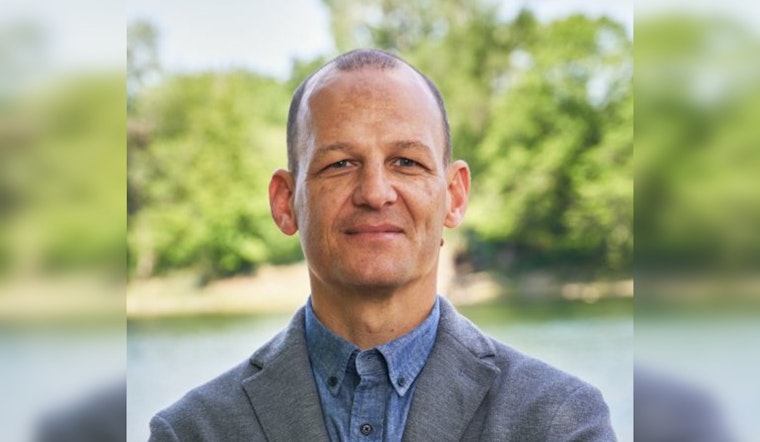
Sacramento’s latest housing fight is taking shape over a proposal to hike the city’s real property transfer tax on high-end home sales, and local real-estate agents are not exactly lining up to cheer it on. Mayor Kevin McCarty wants voters in November 2026 to sign off on the change, pitching it as a stable funding stream for down-payment assistance, eviction prevention and tiny-home shelters aimed at homelessness.
Realtors Push Back
Local realtors are sounding alarms about the plan, telling reporters they doubt the city’s revenue math and worry the move could thin out the buyer pool for pricier properties, which in turn could slow the broader market. Some agents point to results in other cities as a warning sign, and one local realtor told the paper such measures can “catastrophically fail,” arguing Sacramento should tread carefully. As reported by The Sacramento Bee, the Sacramento Association of Realtors, which represents more than 7,000 members, has voiced broad concern about the fallout from the proposal.
Mayor Frames Tax As Local Revenue
McCarty counters that the city can no longer lean on unpredictable state and federal grants to plug holes in homelessness and housing programs, and says a local transfer-tax tweak would create a dedicated revenue source for targeted assistance. In an interview with CapRadio, he described the proposal as aimed at a narrow slice of high-value transactions and noted that officials are still hammering out the exact threshold and rate. Supporters argue the money could pay for down-payment grants and renter assistance without raising property taxes for everyone across the city.
How The Proposal Would Work
The mayor’s office has floated a structure that would target “high-value” real-estate deals, likely somewhere between $1 million and $2 million, and increase the transfer tax on those sales to about 1%, which would be more than triple the current city rate. As reported by The Sacramento Bee, city briefings estimate the change could bring in roughly $10 million a year, about twice what the city collected from the transfer tax the previous year. The city currently charges $2.75 per $1,000, or 0.275%, in real property transfer tax, according to the Finance Department. City of Sacramento
Lessons From Los Angeles
Realtors are quick to invoke Los Angeles’ recent “mansion tax” as a cautionary tale, saying Sacramento risks copying a model that did not fully live up to early promises. Reporting and academic work suggest that Measure ULA underperformed initial revenue projections and may have discouraged some new housing development. Coverage by LAist summarizes a RAND/UCLA analysis that estimated the levy reduced new apartment construction by nearly 1,910 units a year, a figure critics wield as an argument for tighter carve-outs or more precise policy design. Proponents respond that the Los Angeles funds have been used for eviction prevention and other direct assistance, highlighting the tradeoffs cities face when they try to raise revenue without choking off development.
Ballot Mechanics And Legal Thresholds
Before any of this reaches voters, the City Council has to vote to place a measure on the ballot and decide whether the revenue would flow into the general fund or be structured as a special-purpose tax earmarked for specific programs. KCRA notes that McCarty has said city leaders are still shaping the proposal, while California law requires a two-thirds supermajority of voters for special taxes under Proposition 218. California Secretary of State
What’s Next
Over the coming months, City Council members and stakeholders are expected to dig into the details, including which sales would be hit, how much the city can realistically expect to collect and how the money would be spent. Advocates on both sides are already lining up for what looks like a high-profile ballot fight. Realtors say they want clearer earmarks, independent revenue projections and exemptions for recent or multi-unit development. The mayor’s team says those specifics are still under discussion. If the council ultimately votes to move forward, Sacramento residents will likely see a finalized measure on the fall 2026 ballot.



