

























































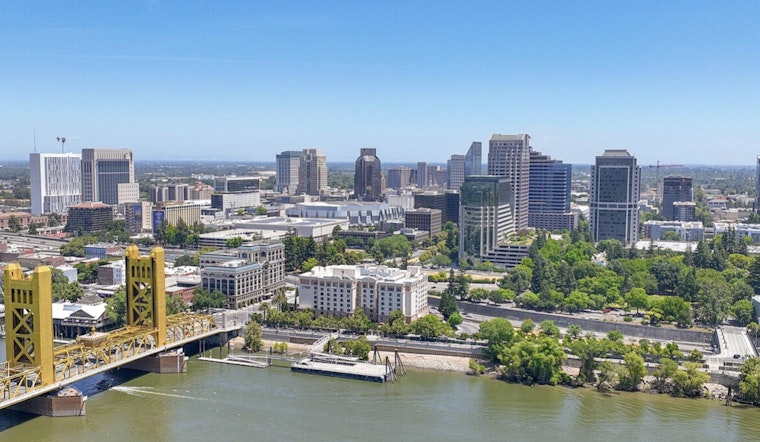
Sacramento closed out 2025 with 377 new building permits totaling approximately $444 million. The approvals include single-family and accessory-dwelling projects, as well as larger multifamily developments and downtown conversions. The mix indicates a strong focus on housing in the city’s development pipeline, even as broader production goals continue. Throughout the year, city officials worked on permitting reforms aimed at accelerating reviews and moving projects from planning to construction more quickly.
The year-end totals and sector breakdown were published yesterday and reported by the Sacramento Business Journal. The report shows that the 377 permits had a combined value of about $444 million, with residential projects leading permitting activity across the city.
Where The Numbers Come From
The Business Journal’s summary draws from the city’s public permit records, which provide information on issued permits, their valuations, and categories. Sacramento’s open data portal lets users access the Issued Building Permits — Current Year dataset, with options to filter by address, project type, and permit value.
Streamlining To Speed Approvals
The permit totals came in the same year that city leaders launched the Streamline Sacramento program, aimed at reducing the time from application to occupancy and introducing tools like virtual inspections. Coverage by CapRadio explains the initiative, noting that it was partly motivated by earlier shortfalls in permit issuance. The outlet reported that the city issued just over 2,300 permits last year, a figure that contributed to the push for these reforms, according to Capradio.
Why Housing Dominated The Total
Residential projects, ranging from accessory dwelling units to mid-rise apartment buildings, accounted for the bulk of the $444 million in permit valuations. The city’s Streamline Sacramento program outlines measures such as virtual inspections and an instant-permit option for minor projects, aimed at reducing costs and delays. Officials say these tools are intended to make development faster and more predictable; see the City of Sacramento for details.
Permits are just the first step. Financing, labor, and material costs will ultimately determine how many of the $444 million in projects actually move forward in the coming year. For now, the city’s permit log provides a clear snapshot of developer activity, with housing emerging as the primary focus.





