

























































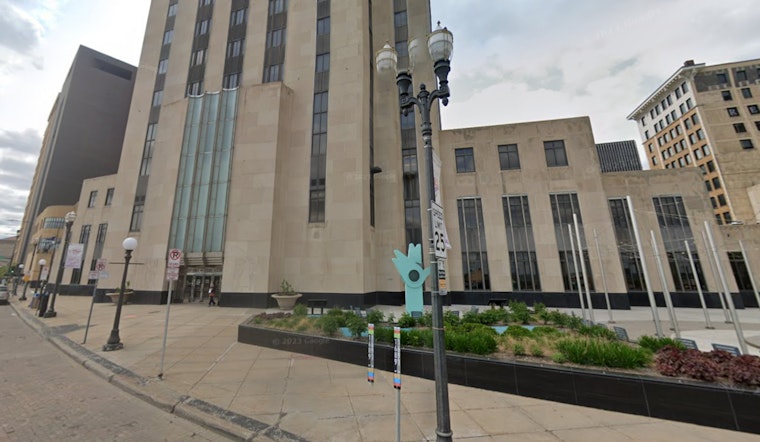
The Saint Paul City Council is forging ahead with urgent legislative actions in response to heightened federal immigration enforcement efforts. Recent events on Rose Avenue have highlighted rapid tactical changes by ICE, prompting the Council to address the community's safety and clarify the City's stance through phased ordinance updates. These regulations aim at reinforcing protections without bypassing legal responsibilities.
As reported by the City's website, Council President Rebecca Noecker emphasizes the necessity for clarity and durability in legal protections, cautioning that the urgency of these issues doesn't equate to a neglect of legal duties. Echoing this sentiment, Council Vice President HwaJeong Kim and Councilmember Molly Coleman affirm a shared commitment to stand with residents against federal immigration tactics perceived as aggressive and harmful.
Councilmember Nelsie Yang drew attention to the inappropriate use of city properties, including parking lots at libraries and recreation centers, by federal agents as staging areas—an action she and others on the Council deem unacceptable. In step with the Council's plan, an ordinance was introduced to ban the use of city-owned property by federal immigration enforcement, detailed in the proposed legislative updates.
The first of these measures, set for public hearing on January 28, will bar such use of City-owned property for ICE operations, as confirmed by Councilmember Yang. Both Councilmembers Cheniqua Johnson and Saura Jost expressed staunch opposition to ICE's presence and activities in Saint Paul, emphasizing the importance of maintaining a clear boundary between city governance and federal immigration operations. Councilmember Anika Bowie highlighted that the ordinance is intended to protect the lawful and unfearful use of city property by all residents.
Overall, the Saint Paul City Council's coordinated legislative action seeks to swiftly address the immediate concerns of local residents, guide law enforcement, reduce interaction confusion with federal agencies, and safeguard citizens' ability to freely access city services, thereby affirming the city's values and legal commitments.





