

























































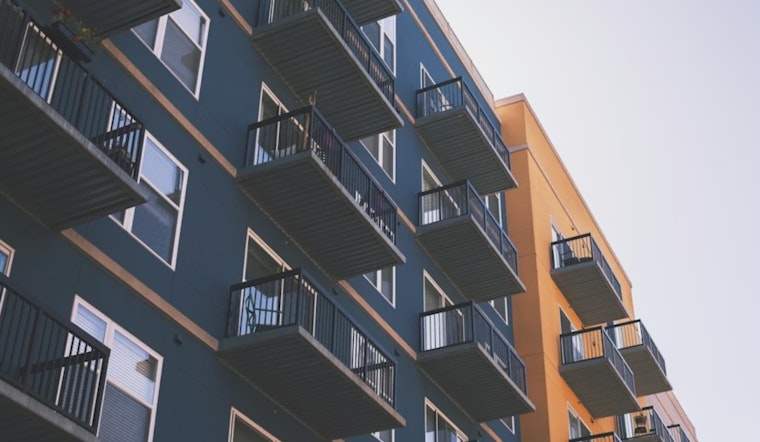
San Diego has quietly pulled ahead of Los Angeles in building apartments, and the gap is starting to show in skylines and developer spreadsheets. Where Los Angeles' project pipeline has stalled, San Diego's has been growing, a split that industry leaders say stems from clearer rules and faster approvals in one city, and tighter controls and higher costs in the other.
CoStar data show that new apartments under construction in San Diego County rose about 10% from three years earlier, while Los Angeles County's pipeline plunged roughly 33% and hit an 11-year low in the quarter through December, as reported by the Los Angeles Times. That divergence means San Diego is expanding its apartment pool at nearly twice L.A.'s rate, a gap developers say is starting to influence where deals actually get done.
How San Diego speeds projects
San Diego points to a clearer general plan and annual Land Development Code updates that allow projects to move through staff-level review when they meet zoning requirements, shortening approval timelines. The city lays out a steady program of single-issue code amendments and Housing Action Packages designed to align local rules with state housing law and speed permitting, according to the City of San Diego. That predictability, not just lower fees, is what brokers say helps developers make the numbers work in San Diego.
Why L.A. is cooling
In Los Angeles, developers and brokers point to discretionary approvals, added fees, and policy changes that raise the time and cost of building. The City Council in November voted to lower the cap on annual rent increases for rent-stabilized units to 4%, a change critics warned could further chill new construction, according to the Los Angeles Times. Layered regulations and higher transactional costs are prompting some builders to shift their appetite toward jurisdictions they see as more straightforward.
The mansion tax and transaction chill
Scholars have zeroed in on Measure ULA, the city's transfer tax on sales above roughly $5 million, as a contributor to the decline in high-end and commercial transactions. Research from the UCLA Lewis Center, authored by local planning scholars, found sharp drops in non-single-family sales and suggested the tax has reduced the likelihood that properties will change hands above ULA's threshold, a dynamic that can dampen multifamily development, according to UCLA Lewis Center reporting. Since new multifamily supply often flows from redeveloped or resold parcels, a decline in turnover can translate into fewer projects breaking ground.
Labor and material pressures
Those policy headwinds arrive as builders also wrestle with higher borrowing costs and volatile material prices. A June report from the Bay Area Council Economic Institute noted that roughly 61% of California's construction workforce is foreign-born, and an estimated 26% of that group is undocumented, a labor vulnerability developers say has been exacerbated by recent enforcement. At the same time, Producer Price Index data and NAHB analysis show construction input prices have ticked up in recent months, adding cost risk that tightens lenders' and investors' underwriting assumptions.
What to watch
Policy design appears to be steering developers' big bets: cities that tie clear plans to streamlined permitting are winning projects now, while layered regulations and transfer taxes are pushing deals elsewhere. San Diego's annual Land Development Code updates and Housing Action Packages are intended to boost capacity and predictability, as outlined on the City of San Diego planning pages. Other jurisdictions will be watching whether tweaks to rent rules or transfer taxes can steer investment back toward stranded markets. For local housing supply, the bottom line is simple: process and predictability matter just as much as price in deciding whether a project gets built.





