

























































San Diego Unified is tightening its response to student human trafficking, rolling out a new system that lets kids and families report concerns online while speeding up how schools connect them to help. District leaders unveiled the effort Wednesday, describing it as part of a broader student‑wellness push tied to National Human Trafficking Prevention Month.
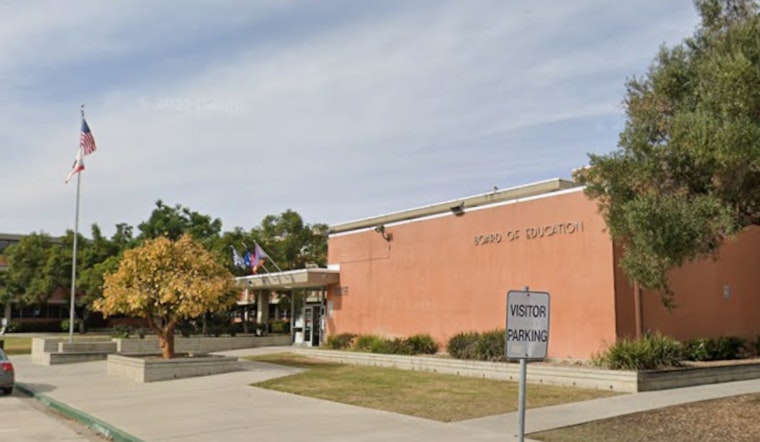
The plan bundles three pieces: a single online reporting form, a formal community partnership, and districtwide staff training. Earlier this month, San Diego Unified’s Board of Education approved a memorandum of understanding with San Diego Youth Services to deliver awareness training, advocacy, and intervention programs for students and families, according to the Board of Education. The board action designates SDYS as the district’s official community partner for human‑trafficking awareness and intervention, with district officials saying the agreement locks in wrap‑around services for schools at no additional cost.
According to the San Diego Unified news release, the district has updated its reporting rules so concerns can be submitted through one online form that will be reviewed by an ICA human‑trafficking specialist. "Protecting students requires clear systems, consistent follow-through, and trust," said Carlos Rodriguez, an internal investigator helping lead the new program. The release also notes that staff training is slated to begin in February and that community town halls will be scheduled to walk families through reporting options and available resources.
The changes land during a busy month for law enforcement. A countywide undercover operation that ran Jan. 19–24, dubbed "Operation Stand On Demand," led to roughly 105 arrests in San Diego County, officials said. Prosecutors and task‑force leaders have emphasized tactics that target buyers and traffickers while steering victims toward services instead of punishment. Advocates say those enforcement efforts have added urgency to prevention and response planning in local schools and social‑service agencies.
The district has also been rebuilding its investigations and compliance operations in recent years. Axios reported that San Diego Unified reorganized its Title IX and investigations teams and brought in more experienced investigators to improve how reports are documented and handled.
What Parents And Students Need To Know
Students and families can now use the district’s Human Trafficking Prevention Program reporting form to flag concerns. Those submissions go to the district’s ICA team, which will review the information and refer students for services as needed.
Local data show the average age of entry into San Diego’s underground commercial‑sex economy is in the mid‑teens, and countywide resources are available for immediate help, according to the San Diego County District Attorney. For urgent situations, officials stress that families should call 9‑1‑1 or use the county help line promoted by local agencies.
How The Program Will Work
District leaders say the new protocols are designed to streamline what happens after a concern is raised. Reports will be routed to ICA, coordinated with the San Diego Human Trafficking Task Force when appropriate, and connected to San Diego Youth Services for wrap‑around support.
The district has also put a written protocol in place for its police department and named a liaison to work with county task‑force partners on investigations. San Diego Unified said it will post town‑hall dates and staff training materials on the program website as they are finalized.
Officials say the overarching goal is to lower the bar for students who might be scared or unsure about coming forward, while delivering a trauma‑informed, multidisciplinary response when young people are at risk. School and safety leaders are urging parents, educators and community groups to plug into the upcoming town halls and to use hotlines and community resources if they suspect a student is being exploited.





