

























































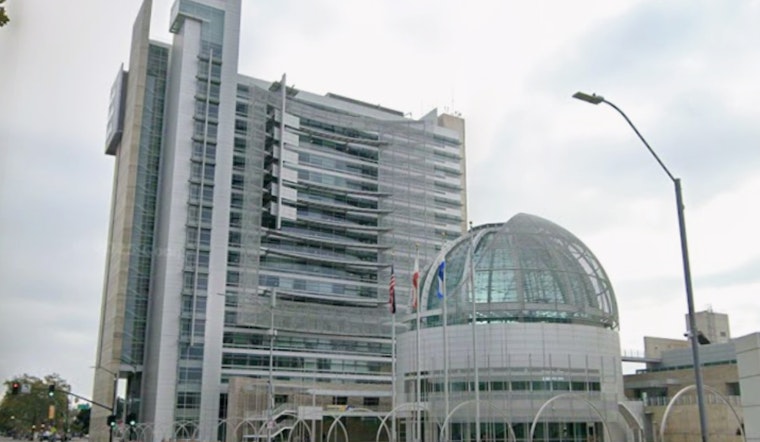
San Jose is getting ready to put some real money behind its soft-story earthquake rules, testing whether low-interest cash can nudge small landlords to finally shore up older apartment buildings without blowing up rents.
The city has approved a small pilot financing program to make seismic retrofits cheaper for owners of at-risk soft-story apartment buildings. Officials say the trial run is designed to show whether a mix of low-cost loans and limited grants can speed upgrades while keeping both tenants and mom-and-pop owners out of financial trouble.
According to The Mercury News, the city has set aside $1.6 million for a pilot that is expected to launch in April 2026 and cover roughly 15 to 20 buildings. The program would offer either grants or loans at around 3% interest over seven years, with a $100,000 cap per loan. Funds could also be used for certain unit upgrades, including energy efficiency improvements, and the package would come with limits on how much participating landlords can pass through to tenants, city staff told the paper.
Where the ordinance stands
San Jose adopted a mandatory soft-story retrofit ordinance in 2024 that targets multi-story, wood-frame buildings with three or more units built before 1990. The city later pushed the effective date to April 1 while staff finish setting up the implementation details. The city's program page outlines how owners will be notified, how an online portal will work, outreach plans and a phased compliance schedule for different building groups. For background, see the City of San José.
How many buildings are at risk
City housing staff told The Mercury News they estimate about 17,000 buildings in San Jose have at least three units, and that between 2,600 and 3,600 of those were built before 1990 and are expected to fall under the mandate. The older soft-story stock may contain an estimated 18,000 to 25,000 units overall, and retrofit costs are pegged between roughly $30,000 and $140,000 per property, figures that help explain why the city is looking for new financing tools. City materials also warn that modeling shows potential earthquake damage to these older buildings could total about $4.7 billion to $14.9 billion.
Federal money and the legal fight
San Jose had hoped to pair its own financing tools with federal grants, but the federal BRIC mitigation program was put on pause, and an attempt by the administration to wind down BRIC ended up in court. That legal fight has left timelines for some mitigation efforts uncertain. Legal trackers and reporting describe a December court ruling that blocked the administration from terminating BRIC without Congressional approval, which has kept some deadlines and funding amounts in flux. See analysis of the litigation at Just Security and the broader funding impact at SPUR.
What owners and tenants should expect
City officials are clear that this is a small pilot, not a cure-all. The $1.6 million pot will not retrofit every shaky carport building in town, but staff hope it will show whether relatively affordable loans and limited grants can help smaller landlords comply with the ordinance without sharply raising rents.
Building owners still have to navigate engineering work, permits and construction schedules that are laid out on the city's retrofit pages, and the financing pilot is only one of several tools the city is lining up before full enforcement kicks in. More detail on the timelines, technical requirements and owner resources is available from the City of San José.





