

























































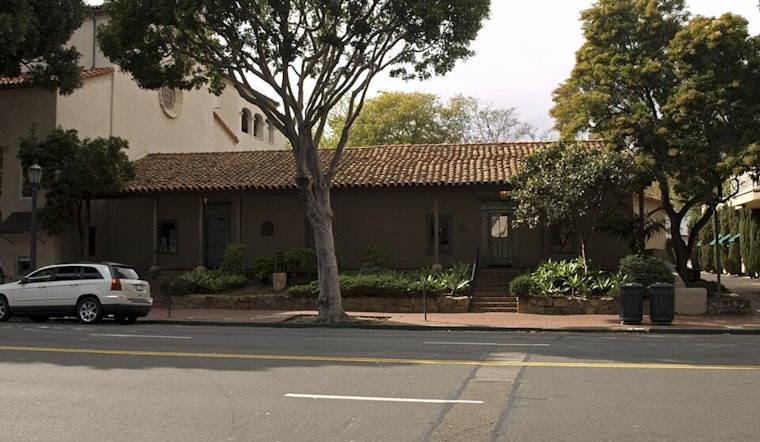
In Santa Rosa, a long-simmering development fight is back on the front burner. San Jose developer Swenson has revived a proposal to build a 162-unit townhouse neighborhood on a nearly 14-acre parcel that includes the historic Carrillo Adobe, forcing the city to wrestle with a blunt question: Do housing targets outweigh preservation of what many locals consider sacred ground?
Descendants of the Carrillo family, local historians and Native leaders argue the site holds far more than a crumbling 19th-century adobe. They say the land contains archaeological layers tied to a prehistoric Southern Pomo village and potential burial sites. Supporters of the project, meanwhile, point to Santa Rosa's housing shortfall and state planning mandates, setting up an unusually raw public clash at a place many residents call the birthplace of Santa Rosa.
What Swenson Wants To Build
Swenson's preliminary concept, dubbed Creekside Village Townhomes, would scatter 162 three-story townhouses across much of the property while preserving the Carrillo Adobe inside an approximately 4-acre park. About 10 percent of the units would be reserved as below-market homes.
The land is owned by Green Valley Corp. of San Jose, which does business as Swenson. Company representatives have told neighbors they are evaluating ways to protect views of the landmark structure, according to reporting by the SF Chronicle.
Neighbors And Descendants Push Back
At an early neighborhood meeting, hundreds of residents and preservation advocates turned out to see the concept plans and did not hold back. Many raised alarms about the proposed height and density of the townhomes and how close the new buildings would sit to the fragile adobe.
Friends of the Carrillo Adobe, a group led by descendant Larry Carrillo, who helps maintain the ruin, told planners they will not support the project in its current form and want a significantly larger protected buffer around the historic site. Details of the community reaction and the neighborhood meeting were reported by The Press Democrat.
Tribal Leaders Warn Of Deeper Loss
For Native leaders, the stakes extend well beyond the adobe walls. Archaeologists have identified pre-contact artifacts on the parcel, and tribal elders say burials and village sites could lie beneath some of the areas where townhouses are planned.
"Building houses on top of this land would be a continued erasure of our history and presence here," Graton Rancheria Chairman Greg Sarris said in public remarks. Those concerns, and the broader cultural context around the site, were detailed in coverage by the SF Chronicle.
City Housing Rules In The Background
The fight is unfolding against California's state-required housing goals. Santa Rosa's housing element allocates roughly 4,685 units for the 2023–2031 cycle, a number city planners use when they weigh new proposals.
Swenson's Creekside Village concept has not yet been filed as a formal application. If it is, the city says the proposal would trigger environmental review, design review, and multiple public hearings before any entitlements are granted. Those timing and procedural details are described in city housing materials and local coverage of the neighborhood meetings, including Santa Rosa's housing element.
Legal Checklist: CEQA, Tribal Consultation And Graves Law
Any formal application would have to run the California Environmental Quality Act gauntlet. Current rules require agencies to identify tribal cultural resources and, when tribes request it, begin government-to-government consultation under AB 52.
State practice also calls for an immediate stop-work order and notification if human remains or suspected burials are uncovered during grading or other ground-disturbing work, with tribes typically involved in decisions about treatment and reinterment.
The framework for tribal cultural resources, consultation and mitigation under CEQA and AB 52 is summarized by the Office of Land Use and Climate Innovation at LCI and in the bill text and analyses available via LegiScan.
Why The Adobe Still Matters
The Carrillo Adobe is widely regarded as the place where the Santa Rosa community began. Volunteers and descendants have patched the ruin's roof and hauled away debris over the years, trying to keep it standing. Even so, theft, trespassing and damage to the nearby creekbed have been chronic problems.
Plans to build on the parcel date back decades. The property, once owned by the Catholic Diocese, was sold to Swenson roughly 20 years ago, a transaction that helped clear church liabilities at the time. Local archives and reporting describe a long pattern of neglect and repeated calls for a permanent protection strategy, as outlined by The Press Democrat.
What Happens Next
If Swenson submits a full application and environmental review begins, the public will have additional formal chances to weigh in.
Observers should expect archaeological surveys, tribal outreach under CEQA rules and a series of planning hearings to test whether the project can be reshaped enough to satisfy both preservation advocates and housing proponents. KRCB has reported on the meeting schedule and the next steps in the process.





