

























































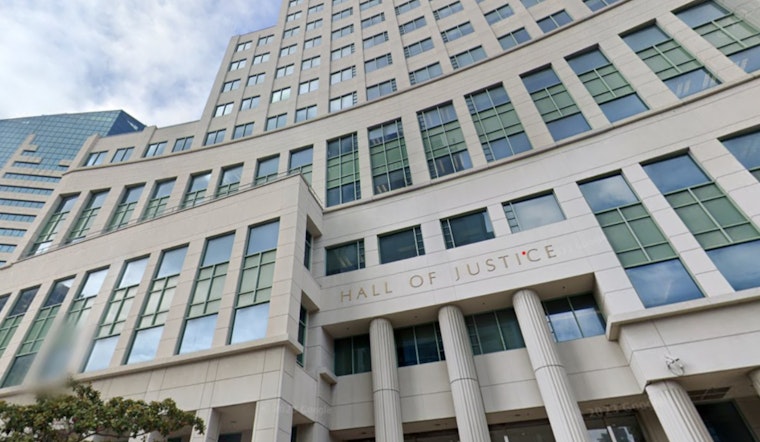
A San Diego Superior Court judge is set to hear arguments today on whether Charles "Andy" Williams, the former Santana High School student who killed two classmates in 2001, can move forward with a bid to recall and modify his life sentence. The hearing will determine whether Williams is eligible for resentencing under California rules for people who were juveniles when they committed violent crimes. Williams has been in state prison since he pleaded guilty in 2002.
Hearing details
The hearing is scheduled for 9 AM in downtown San Diego Superior Court, where attorneys for Williams and prosecutors are expected to square off over whether the court should recall his sentence, according to CBS 8. If the judge finds Williams eligible, the case would move into a resentencing phase in which a judge weighs time already served, his disciplinary record and any evidence of rehabilitation. Williams' lawyers say the petition relies on a provision that lets some juvenile lifers ask a court to recall their sentences.
What the court will decide
Under California law, a juvenile offender who received life without the possibility of parole may seek recall of that sentence after serving a statutory minimum and then request resentencing. Judges are instructed to look at post-conviction factors such as the person’s age at the time of the crime, their behavior in prison and their participation in programs, according to Justia. Appellate rulings have left unresolved which term-of-years sentences count as the functional equivalent of life without parole, and that legal gray area is expected to be front and center at Tuesday’s hearing. Lawyers will argue over how the statute applies to Williams and what standards the sentencing court must use.
Background: The 2001 attack and sentence
On March 5, 2001, Williams opened fire at Santana High School in Santee, killing two students and wounding 13 others in a rampage that lasted only minutes. He pleaded guilty in 2002 to two counts of murder and 13 counts of attempted murder and received a sentence of 50 years to life under a plea deal, as reported by the Los Angeles Times. Shifts in California’s juvenile-sentencing laws since then have brought his case back into court under youth-offender resentencing pathways.
Parole history and recent rulings
Williams previously went before the Board of Parole Hearings on Sept. 10, 2024, where commissioners denied parole and found he was not suitable for release, according to NBC 7 San Diego. The decision followed emotional statements from victims and families, along with public opposition from local prosecutors. That parole ruling, combined with evolving appellate decisions on juvenile lifer resentencing, sets the stage for the legal questions now landing in Superior Court.
Victims and community reaction
Victims and family members have repeatedly urged courts to keep Williams behind bars, saying the 2001 shooting left lasting trauma in the Santee community, as reflected in Hoodline coverage of his being denied parole 23 years later. Defense attorneys counter that Williams has expressed remorse and taken part in rehabilitative efforts while incarcerated, a theme they have raised in earlier proceedings. Local lawmakers and community leaders have signaled they will be watching the court’s next move closely.
What could happen next
If the judge concludes Williams is eligible to seek resentencing, the court could recall the 2002 sentence and schedule a formal resentencing hearing. Any new term cannot exceed the original sentence, and judges are directed to balance post-conviction conduct with public-safety concerns under recent statutory updates. If the court denies relief, Williams or his legal team could turn to additional petitions or appeals within the timelines set by California law, as reflected in the legislative text for AB 600. Legal observers say the outcome will be closely watched for clues about how San Diego courts will apply changing juvenile-sentencing rules to older high-profile cases.



