

























































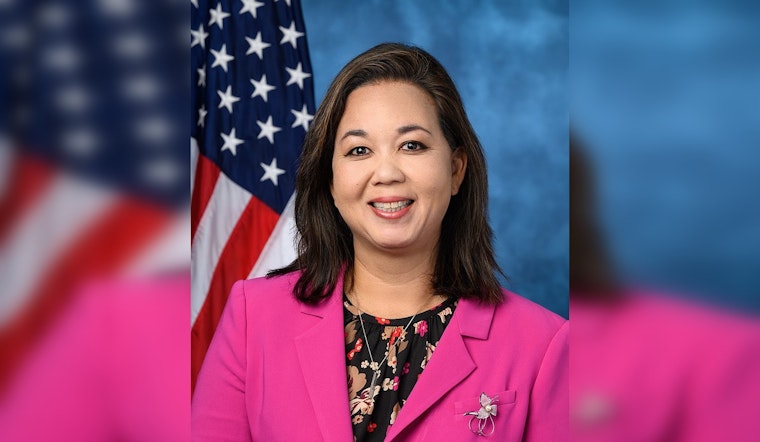
U.S. Rep. Jill Tokuda is turning a brutal Schofield Barracks killing into a test case for military justice, pressing Pentagon officials to raise the maximum penalty for voluntary manslaughter after what she calls an inadequate outcome in a case that rattled Oʻahu. Her push zeroes in on what she sees as a glaring gap between how the Uniform Code of Military Justice treats domestic killings and how civilian courts handle similar crimes.
What Tokuda Asked The Joint Service Committee To Do
In a letter posted by Tokuda, the congresswoman urged the Joint Service Committee on Military Justice to recommend increasing the maximum sentence for voluntary manslaughter so military punishments line up more closely with state law. The document on her congressional website argues that prosecutors in the Schofield case were boxed in by the current ceiling, and that the plea result did not deliver punishment proportionate to the crime.
Tokuda warned that the existing limit can keep prosecutors from pursuing sentences she views as appropriate in especially gruesome cases. Local TV coverage has boiled down her argument for the public and underscored how rare it is for a Hawaii lawmaker to wade this directly into the weeds of court-martial policy, according to Hawaii News Now.
The Schofield Case That Lit The Fuse
According to Army officials and reporting by Stars & Stripes, Pfc. Dewayne Arthur Johnson II pleaded guilty in June 2025 to the lesser included offense of voluntary manslaughter and related charges after admitting he killed his wife, 19-year-old Mischa Johnson, in July 2024 and their unborn child, and then dismembered her body.
The plea deal put sentencing within an agreed range that allowed a military judge to impose up to 23 years. The victim's remains have still not been recovered, and family members have publicly demanded clearer accountability and reforms to how violent crimes by service members are handled.
Where Advocates Say Military Law Comes Up Short
Sentencing in courts-martial is governed by the Manual for Courts-Martial and the offense categories in the UCMJ. Military-law references show that voluntary manslaughter carries confinement ranges that are lower than those in many state criminal codes, a gap critics highlight when calling for tougher penalties.
Analysts at UCMJ Military Law have broken down the current confinement "buckets," while local coverage has compared those military ranges with state maximums and found that several states allow for much longer terms than the armed forces currently do.
What Could Change And The Road Ahead
Congress has already written a formal review process into the fiscal 2026 defense legislation, directing the Defense Department and the Joint Service Committee on Military Justice to study whether Article 119's maximum sentence for voluntary manslaughter should be increased and to recommend changes. The directive then asks the President to implement any revision by regulation.
Congress.gov lays out the review-and-recommendation framework, while the Joint Service Committee's own materials explain its role in keeping the Manual for Courts-Martial up to date. If the committee endorses a tougher maximum, that recommendation would be a key step toward formally raising the punishment ceiling in the MCM.
Background On The Case And Community Fallout
Hoodline has previously tracked major steps in the Schofield case and the community response, including when the soldier admitted guilt in his wife's killing. Tokuda's new letter does not change Johnson's sentence, but it opens a procedural path the Joint Service Committee can follow in the coming months. Any recommendation the panel issues will help determine whether military maximums start to mirror civilian penalties more closely in cases of domestic homicide.





.jpg)