

























































A tense rescue in the Seattle area this week ended with a child pulled alive from a tree well, and the whole thing was caught on camera. In the raw video, several people frantically dig through deep, loose snow at the base of a tree, working to uncover the youngster before the snow can close in again. The clip has put a fresh spotlight on a winter danger many casual snow-goers have never even heard of.
According to KIRO 7, the station released the footage today. The video shows bystanders and rescuers digging around the base of the tree to free the child. It is the clearest public record of the incident so far and has been widely shared across social media.
How rescues like this usually work
In a tree-well immersion, the priority is to move snow away from the victim's face and chest so they can breathe. Standard training from mountain safety educators focuses on creating an air pocket, exposing the head, and carefully packing snow away from the trunk while stabilizing the person. That step-by-step method is essentially what plays out in the video, as rescuers dig and scoop snow clear. Speed matters in these situations because loose snow can collapse, compact, and seal off any remaining air in seconds.
Why tree wells are so dangerous
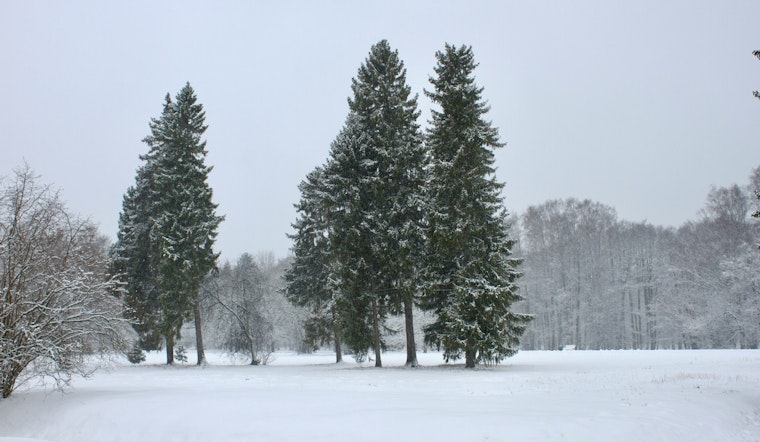
Tree wells form as hollow pockets of loose, unconsolidated snow around the base of trees. If someone falls headfirst, that snow can pour in around them and bury them almost instantly, making self-rescue extremely difficult. Educational materials on snow immersion suffocation note that once a person is inverted and trapped, they often cannot move their arms or clear their airway. Ski-area safety pages warn that these incidents can be fatal, and authorities last year reported a death at Oregon's Mount Bachelor after a person was found buried headfirst in a tree well. For background and safety numbers, see Deep Snow Safety, and for reporting on similar tragedies, including the Mount Bachelor case, see coverage by PEOPLE.
Safety tips for families heading to the snow
Ski and mountain safety groups recommend some basic habits that go a long way. Always ride with a partner and keep each other in direct visual contact, especially in trees or deep powder. Steer kids away from tree wells, tight glades, and unmarked off-piste terrain, and bring simple rescue tools if you are leaving groomed runs. The National Ski Areas Association's Ski Safety resources emphasize that a strong buddy system and clear, agreed-upon check-in points are the best defenses against snow-immersion accidents. For practical guidance on prevention and what to do if someone goes down in deep snow, consult NSAA Ski Safety and local mountain safety pages.
For those who want to watch the rescue, the full clip is posted by KIRO 7. Local authorities and ski patrol teams are seizing on the renewed attention to urge families to brush up on tree-well and deep-snow safety before heading into the mountains.





