

























































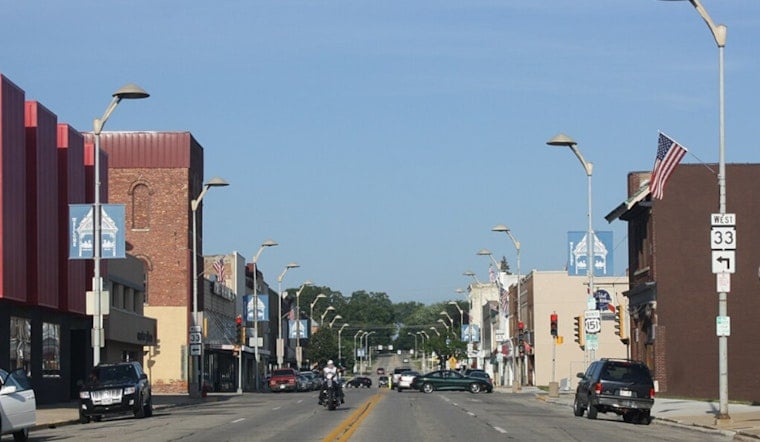
Beaver Dam is seeing continued growth in data infrastructure. A Minnesota developer has proposed a 90,000-square-foot edge data center near Highway 151, adding to the city’s existing presence in regional data projects.
Oppidan Investment Co. is proposing a single-story, approximately 90,000-square-foot edge data center to serve local networks and corporate clients. While smaller than Meta’s nearby campus, the facility reflects growing demand for distributed centers that support low-latency applications.
Oppidan has prior experience with similar projects. City of Olathe meeting records indicate that in 2023 the company requested industrial revenue bonds for a roughly 90,000-square-foot, single-story data center southwest of the K-10 and K-7 interchange. The project is part of Oppidan’s Connect Data Centers strategy for regional facilities and reflects the company’s focus on Midwestern sites near expanding customer bases.
Meta's $1 Billion Campus Has Already Changed the Conversation
In November, Meta announced plans to build an approximately 700,000-square-foot, $1 billion AI-optimized campus in Beaver Dam, according to Meta Data Centers. The size and timing of the project have prompted local discussions about power capacity, water use, and the city’s approach to incentive packages for major technology companies.
Secrecy, NDAs and Public Trust
Investigations have examined nondisclosure agreements and confidential negotiations related to several major Wisconsin data center projects, including Meta’s Beaver Dam campus, which faced criticism for limited early public notice. As per Wisconsin Watch, the scrutiny has prompted calls for clearer guidelines on when officials can withhold project details from the public.
Money, Jobs and Tax Break Jitters
Meta has stated that the Beaver Dam campus will create approximately 1,000 construction jobs and around 100 permanent positions. The project is also eligible for tax-increment financing and sales-tax exemptions. Supporters say these incentives help attract major investments, while critics caution about potential long-term impacts on public finances, as reported by the Lake Country Tribune.
What Happens Next
If Oppidan moves forward, the project will require local zoning and permit approvals, which will include public hearings allowing residents to provide input. City planning and county permitting schedules will indicate when formal filings are submitted and when the public can participate.
The proposed edge facility would be smaller than Meta’s campus but represents another development in Beaver Dam’s growing role as a data hub, with potential effects on utilities, local budgets, and conservation planning. As additional projects are proposed, officials will balance job and investment opportunities with expectations for transparency and environmental oversight.




