

























































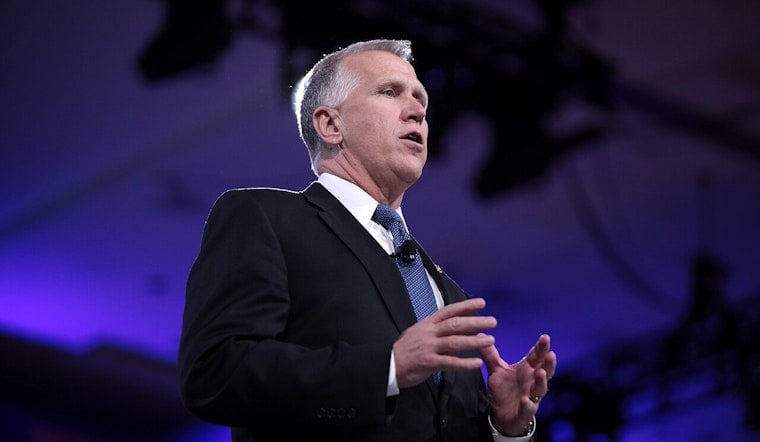
In an unmistakable signal of intra-party discord, Senator Thom Tillis (R-NC), a recognized member of the Senate Banking Committee, has thrown down the gauntlet on President Trump's Federal Reserve nominees, citing major concerns over the continued independence of the Fed. In a direct and plainspoken release from his office, Tillis proclaimed, "If there were any remaining doubt whether advisers within the Trump Administration are actively pushing to end the independence of the Federal Reserve, there should now be none."
Senator Tillis's stance is not just a fiery soundbite for the news cycle but carries a very real threat, revealing a fissure within the Republican ranks. He has committed to blocking any and all Fed nominees until what he refers to as a "legal matter is fully resolved." This move throws a wrench into the machinery of the Trump Administration's financial oversight plans, where the independence of such institutions is generally considered a cornerstone of economic stability. It's clear Tillis's words carry weight, and his opposition could signal a significant snag in any potential confirmation process.
The issue at hand stems from an allegation that there's a coordinated effort to undermine the Fed's independence—an allegation that has evidently struck a chord with Tillis. The North Carolina senator made it clear that it's the Department of Justice's credibility that's also hanging in the balance now, which adds an extra layer of complexity to the controversy. The DOJ's role in maintaining lawful governance and impartiality within the nation's institutions cannot be overstated; any insinuation of its compromised integrity merits not just attention but immediate action.
While Tillis did not immediately provide details on the specific legal matter causing his concern, his public refusal to move forward with Federal Reserve nominations signals a level of urgency and conviction. This is not everyday Washington sparring; this is a committed conservative calling out what he perceives as overreach within his own party's administration. The opposition voiced by Tillis has the potential to catalyze a broader conversation about the institutional checks and balances, about the very architecture of our democratic systems, which hold the formidable power of monetary policy in their hands.
As the Trump Administration works to push its nominees forward, Tillis's blockade stands as a potent reminder of the principle over party, of policy over partisanship. The coming days will likely reveal whether other senators will follow Tillis's rebel lead or fall in line behind the Administration, deciding the fate of both the Federal Reserve nominations and the broader ideological battle over the institution's autonomy.





.jpg)