

























































A federal judge in New Orleans heard arguments yesterday in a landmark civil-rights lawsuit that accuses St. James Parish of steering petrochemical facilities into majority-Black neighborhoods. The plaintiffs say decades of land-use decisions have packed industry into two council districts and left residents facing elevated health risks. U.S. District Judge Carl J. Barbier is now deciding whether the complaint is strong enough on paper to survive the parish’s latest motion to dismiss.
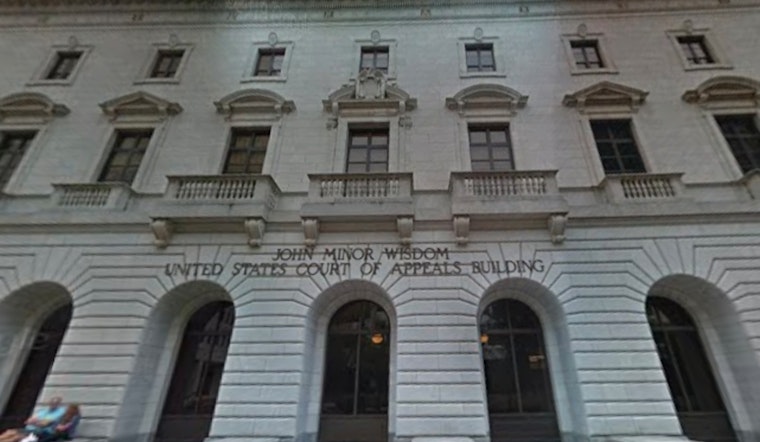
The case was brought back to life last year when an appeals court revived it after a lower court tossed it on timing grounds. The U.S. Court of Appeals for the Fifth Circuit found the plaintiffs had standing to press constitutional claims, reopening the door to allegations tied to a decades‑old pattern of development. The panel’s reasoning is detailed on Justia, while coverage at The Associated Press summarizes how the ruling cleared a path for residents to move forward.
Plaintiffs in the suit include Mt. Triumph Baptist Church, RISE St. James and Inclusive Louisiana, with legal teams from the Center for Constitutional Rights and Tulane’s Environmental Law Clinic. In a press release describing yesterday's hearing, the Center for Constitutional Rights says the groups are seeking a moratorium on new petrochemical plants in the majority-Black 4th and 5th districts and notes that plaintiffs’ filings count at least 28 out of 32 plants placed in those districts. The same release features community leaders describing long-term health and cultural harms that they link to parish planning choices.
The parish is pushing back. Its attorneys argue the cluster of facilities reflects zoning maps, existing infrastructure, including access to the Mississippi River, and economic development priorities rather than racial targeting. Reporting on the hearing says St. James’ lawyer told the judge industrial development brings jobs, tracks local zoning decisions and aligns with elected officials’ interest in economic growth. Nola.com also reports Judge Barbier, reacting to part of the debate, bluntly remarked, "nobody's that stupid."
What’s at stake in court
The lawsuit presses claims under the Thirteenth and Fourteenth Amendments and seeks structural relief, including a parishwide moratorium on new hazardous plants in the affected districts and reforms to how land-use decisions are made. Those legal theories and the scope of the requested relief are set out in the complaint and further described in the Fifth Circuit’s opinion. The court record on Justia and the plaintiffs’ public statements via the Center for Constitutional Rights outline the mix of constitutional and statutory claims the judge is now sorting through.
What happens next
Barbier must decide whether the complaint, as pleaded, meets the low bar for pleading plausibility, a ruling that will determine if the case moves into discovery and a fact-finder can dig into decades of land-use policymaking. The parish has already tried to get higher courts to intervene, and local reporting says the U.S. Supreme Court declined to take up St. James’ request to revisit the Fifth Circuit’s decision. nola.com has covered that procedural history.
For residents and advocates, a ruling that lets the suit proceed would open discovery into parish decision-making and could lead to court-ordered changes in how and where industry is sited. If the judge grants the parish’s motion and shuts the case down again, the groups could return to the appeals court. Either way, the litigation is far from over and is likely to keep a bright spotlight on the stretch of the Mississippi River long known as Cancer Alley.





