

























































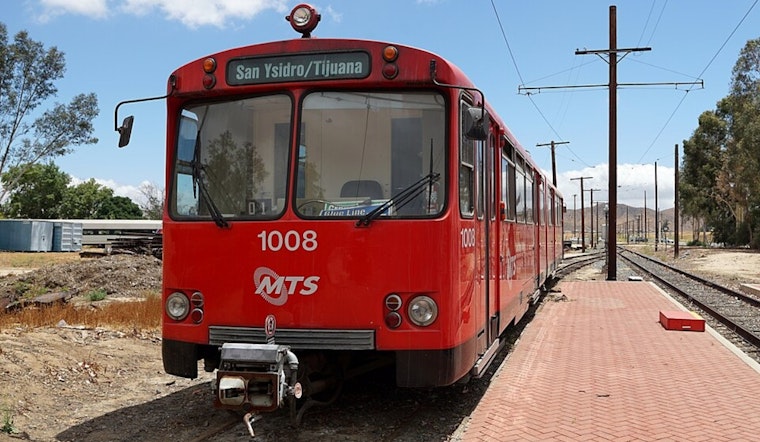
Two years after California pulled together a special task force to keep public transit from going over a financial cliff, the state has ended up with a detailed restatement of the problem instead of a clear way to pay for a fix. The final report lays out why agencies are squeezed - sagging ridership, rising labor costs and a pricey transition to zero-emission buses - but it stops short of offering many new, concrete revenue ideas. That leaves operators such as San Diego’s Metropolitan Transit System staring down real budget holes that could translate into service cuts or delayed projects.
Task force report lands with a thud
As reported by Times of San Diego, state lawmakers created the Transit Transformation Task Force under SB125 in 2023 to deliver “transformative” fixes for a looming transit funding crisis. Instead, members and local officials say the final product mostly stopped at diagnosis. Senator Catherine Blakespear labeled the report “completely underwhelming,” and MTS CEO Sharon Cooney told the outlet that the document “fell short of providing sufficient detail and recommendations” to support sustainable long-term transit funding.
Zero-emission fleets and falling revenue
CalSTA documents about an 18% decline in transit reliability across modes from 2013 to 2023 and highlights operational strains tied to the early rollout of zero-emission buses. Those challenges include higher up-front vehicle and infrastructure costs along with longer repair times, all of which put extra pressure on operating budgets that are already tight.
The Legislative Analyst’s Office projects that State Transit Assistance revenue tied to diesel fuel sales could fall by roughly $300 million by 2035, a drop that would further erode a key source of operating funds just as agencies are being pushed to modernize fleets and restore service.
San Diego's shortfall is already material
In San Diego, the squeeze is not hypothetical. MTS materials show a projected budget gap of roughly $120 million by fiscal 2029. To cope, the agency says it has already delayed expansion plans, slowed some zero-emission bus purchases and shifted capital dollars into day-to-day operations to keep service running.
Times of San Diego also noted that bus operator wages are up about 40% since 2019 and that flat local sales-tax receipts, a major piece of MTS revenue, leave the agency with limited options to quickly plug the gap.
Options for lawmakers
The task force did assemble a broad menu of strategies, from overhauling the Transportation Development Act to creating new revenue tools, pursuing joint or statewide procurement and making better use of agency-owned land. Those ideas are laid out in CalSTA's final report, but the group stopped short of endorsing a single, specific funding package.
The Legislative Analyst’s Office sketches the hard choices facing lawmakers: raise new revenues, shift costs onto other funding sources or cut spending, with tradeoffs in every direction. Value-capture and joint-development tools can help generate local revenue, but federal guidance and finance analyses caution that they only produce meaningful dollars when supported by enabling laws, local technical capacity and political agreement. FHWA reviews the pitfalls and prerequisites in its value-capture resources.
Two years after legislators asked for a roadmap, the state now has a sharp diagnostic and a long list of potential fixes, but not the political package that would actually pay for them. Lawmakers who waited for the task force report will now have to decide, and soon, whether to pursue new fees, general-fund backfills, local ballot measures or some combination of the above if they want buses and trains to keep running reliably.





