

























































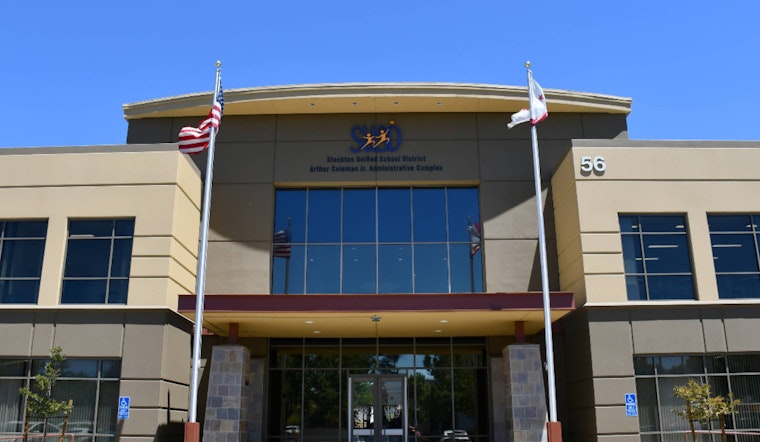
Stockton Unified's career-technical classes are still reeling from a wave of 2025 funding cuts that district leaders say forced program reductions and scrambled budgets. The district's career-technical director has called the hit "massive," leaving teachers and students unsure about the future of pathway classes that depend on costly equipment and industry partnerships. Now a bill in Sacramento aimed at stabilizing career and technical education grants is drawing close watch from districts that say short-term funding has undercut long-term planning.
CTE director: cuts felt across local programs
As reported by CBS Sacramento, Stockton Unified’s Career Technical Education director said the program saw "massive funding cuts" in 2025 and told the station, "that's where a new bill comes in." District staff told the outlet that the sudden drop in funding has created uncertainty around staffing levels and equipment purchases for hands‑on classes.
What Sacramento's bill would change
Assembly Bill 401 would alter the California Career Technical Education Incentive Grant program to require renewal grants for prior recipients, reserve most awards for renewals, and tie future funding to an inflation adjustment, according to the bill text on the California Legislative Information site. The measure, authored by Assemblymember Al Muratsuchi, would make the program's annual appropriation the prior year's amount adjusted by an inflation index beginning in 2025–26, and it would set aside roughly 90% of funding for renewal awards while keeping about 10% available for new applicants. Supporters say that kind of predictability would help districts plan multiyear pathways and afford expensive equipment, while opponents argue longer terms require safeguards to ensure programs deliver results.
Stockton's CTE network and the local stakes
Stockton Unified lists Nathan Haley as its Director of Career Technical Education and outlines dozens of pathways on the CTE page of the Stockton Unified website, spanning fields from health care to manufacturing and media arts. The district’s CTE office is based at 56 S. Lincoln St., and the program coordinates work‑based learning, industry partnerships, and pathway planning. For Stockton, those relationships and long‑lead purchases, from lab gear to automotive bays, are exactly the kinds of costs that unreliable one‑year grants make harder to cover.
Budget squeeze at state and federal levels
According to EdSource, California’s 2025–26 projections left Proposition 98 funding effectively flat and came with a warning for districts to brace for volatility. At the same time, CalMatters documented a mid‑2025 pause on federal grant disbursements that temporarily froze funding for after‑school and other programs. Together, those state and federal pressures have piled on top of one‑time funding cycles and structural deficits that districts were already wrestling with.
Where the bill stands and what's next
AB 401 advanced out of the Assembly Education Committee and was re‑referred to Appropriations, where it was listed as "held under submission" in May 2025, according to the bill history on the Legislative Information site. Even if the Legislature approves the changes, districts would still depend on the annual state budget for final appropriation amounts, but backers say the renewal and indexing language would cut down on year‑to‑year uncertainty for CTE providers and make multi‑year program planning more realistic.
Legal and budgetary implications
The bill revises eligibility, renewal, and indexing rules for the CTEIG program rather than automatically creating a new pot of money, so final dollar amounts would still be set through the state budget process. In practice, that means passage could smooth planning for districts but would not guarantee any additional funding unless lawmakers appropriate more in future budgets.
For Stockton students and the teachers who run its shop classes, culinary labs, and biomedical pathways, the difference between one‑year grants and guaranteed renewal can be the difference between growth and contraction. Local educators say they will be watching the bill's calendar in Sacramento as they work to steady programs that prepare students for both college and careers.





