

























































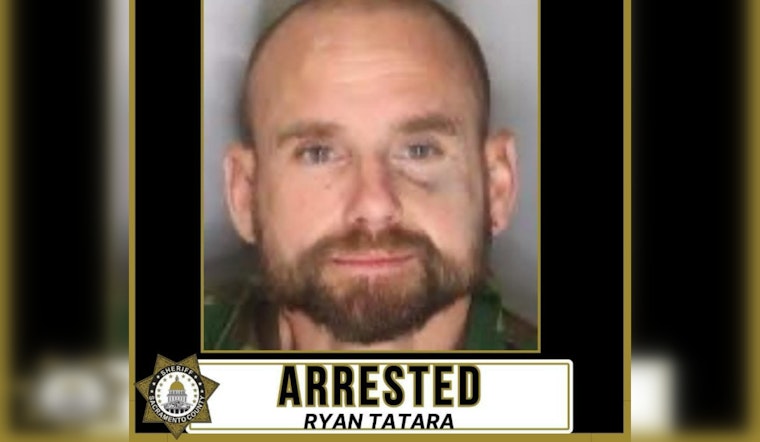
What began with a killing beside train tracks in south Sacramento ended this week with a 26‑years‑to‑life sentence for 36‑year‑old Ryan Tatara. Prosecutors say Tatara killed an unhoused man at a camp near the tracks on March 23, 2024. Investigators say DNA pulled from a discarded water jug at the victim's camp led to a match in a national database, a key break they say helped seal the case. Authorities said the victim died from blunt force trauma and a stab wound to the neck.
How DNA From A Water Jug Produced A Match
According to the Sacramento County District Attorney's Office, investigators collected DNA from the water jug and uploaded it to the Combined DNA Index System (CODIS). The sample returned a hit on Tatara's profile. Prosecutors say that CODIS hit, paired with witness testimony about what happened at the camp, became central evidence at trial.
What Prosecutors Say Happened At The Camp
Prosecutors told jurors that on March 23, 2024, a brief conversation at the victim's camp along the train tracks escalated into a fistfight. During that fight, they said, Tatara grabbed a cast‑iron skillet and repeatedly struck the man while ransacking the camp. Those details and the description of the scene near Tokay Avenue were reported by CBS Sacramento. Investigators say Tatara left the water jug behind when he walked away from the scene.
Jury Verdict And Sentence
A jury found Tatara guilty of first‑degree murder on December 17, 2025, and also found true an allegation that he used a deadly weapon. On Thursday, Judge Michael Bowman sentenced him to 26 years to life in prison. Deputy District Attorney Scott Schweibish prosecuted the case, and the Sacramento County District Attorney's Office detailed the verdict and sentence in a public release.
Why CODIS Mattered In This Case
The case highlights how something as ordinary as a plastic water jug can become crucial evidence once DNA enters CODIS. The FBI describes the Combined DNA Index System as a national network that allows federal, state and local laboratories to share and compare DNA profiles. The agency says CODIS has generated more than 285,000 investigative leads across cases. Authorities say that national reach is what allowed DNA from a single item at a south Sacramento camp to match an existing offender profile and push the investigation forward.





