

























































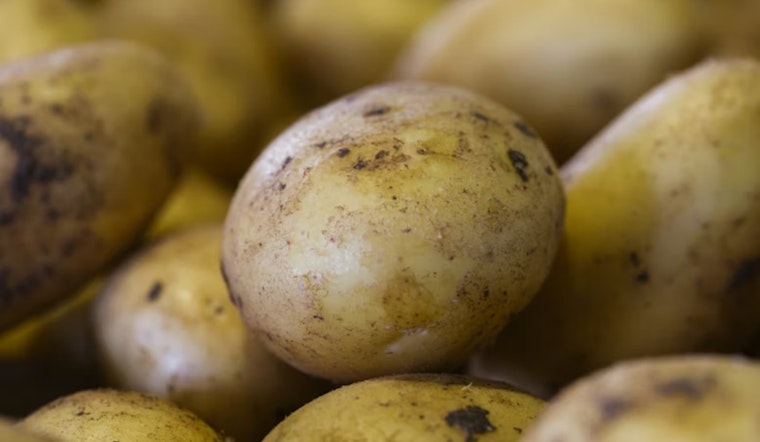
A recent study from the University of Utah has thrown a spud-sized wrench into the agricultural history of the American Southwest. Turns out, the humble Four Corners potato, or Solanum jamesii, is far from a mere side dish in the narrative of regional domestication. Analysis of ancient stone tools indicated that Native populations were farming this tuber long before Spain's ships ever kissed the horizon. According to At The U, starch residue on these artifacts showed that the little potato has been a staple of indigenous diets and agriculture for up to 10,000 years.
The study's senior author, Lisbeth Louderback, an anthropologist at the university and the Natural History Museum of Utah, said, "By adding new archaeological data and ethnographic interviews, we are building a case for domestication of S. jamesii in the American Southwest," as per At The U. Not content with this revelation, the team has also been interviewing Diné (Navajo) elders, many of whom shared their knowledge of the crop, which they referred to as "nímasii yázhí," meaning a tiny potato relative. Such findings suggest a deeper, more profound connection between the people and the tuber than previously thought.
Underscoring the potato's robust pedigree, comparisons to common red potatoes reveal the Four Corners variety packs three times the protein, twice the calories, essential minerals, and is a fiber heavyweight. The little spud punches well above its weight in nutritional value. Researchers examined 401 ancient mano and metate tools, finding that the highest proportion of S. jamesii starch granules was present in tools from sites with living populations of the plant nearby, as reported by At The U.





