

























































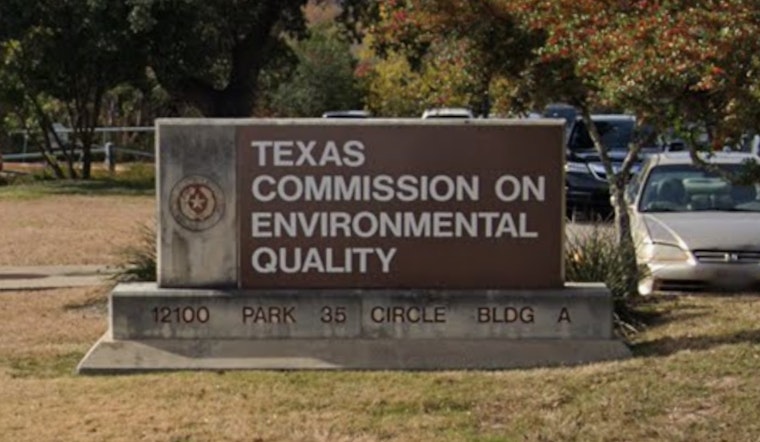
Uranium Energy Corp. is asking the Texas Commission on Environmental Quality to renew Permit No. UR03075 for uranium recovery and aquifer restoration near Yorktown in Goliad County. A hearing on the renewal will be held at 10 a.m. on February 5 through the State Office of Administrative Hearings. The public can attend, and anyone affected by the permit can ask to join the case, according to the Texas Commission on Environmental Quality on their X account.
Uranium Energy Corp., has applied to TCEQ for the proposed renewal of Permit No. UR03075 authorizing the recovery of uranium and restoration of the aquifer bearing the uranium in Goliad. A contested case hearing will be held on Feb. 5 at 10am. https://t.co/OjmmOzEkoz pic.twitter.com/6wCSgBwCUD
— Texas Commission on Environmental Quality (@TCEQ) January 29, 2026
What the permit would allow
The Texas Register notice describes the application as a renewal that would continue to authorize recovery of uranium and restoration of the uranium-bearing aquifer at the Yorktown site. In the same filing, the company is asking for an amendment to revise the permit range table and to change excursion-monitoring parameters, adding total alkalinity, sulfate and uranium while removing total dissolved solids in the draft permit. The Texas Register notice also directs readers to the executive director’s preliminary decision and the draft permit documents for anyone who wants to dig through the fine print.
History and local concerns
This Goliad project has been through the wringer before. Earlier permitting decisions and the related aquifer-exemption process drew public pushback and legal fights in the 2010s, and the file has not exactly collected dust since then. Local officials and community groups have repeatedly focused on groundwater protection and long-term monitoring as the pressure points around in-situ recovery operations, and those themes are expected to resurface when the SOAH judge convenes the hearing.
For readers who want the technical backdrop on aquifer exemptions and possible ISR impacts, a recent review article in Minerals lays out the science and regulatory framework. To see how Uranium Energy describes the project and its permitting history to investors, the company’s filing with the SEC, available through Uranium Energy, provides additional context. A longer local chronology and document trove has been assembled on the WISE Uranium Project site.
Legal and procedural stakes
Because this is a contested-case proceeding at SOAH, the first session is mainly about setting the ground rules. The preliminary hearing will determine who has standing, spell out which factual issues are actually in dispute and put together a schedule for any later evidentiary hearing. The administrative law judge can trim the list of contested topics down to technical questions such as geology, well design, monitoring plans and whether the draft permit adequately shields nearby groundwater, then order a longer, trial-style phase if parties are admitted.
Those early procedural calls will shape how the agency reaches a final decision on the renewal request and the associated permit amendments, including how much expert testimony gets aired in public. The Texas Register notice outlines the role of this preliminary hearing and points to the official case materials.
How to watch and weigh in
The hearing is slated to be conducted virtually through the State Office of Administrative Hearings, with viewing links and call-in details posted by the environmental agency and on SOAH docket pages. According to TCEQ, members of the public can watch online even if they are not seeking party status.
TCEQ keeps copies of the application and the draft permit available for public review and accepts written comments through its public comment portal. The agency’s website and SOAH postings carry the latest on how to submit remarks, how to register if needed and where to find the key documents.
Residents in the Goliad area and regional conservation groups have been voicing groundwater worries about uranium recovery in this corner of Texas for years, and those familiar voices are expected to surface again at the Feb. 5 preliminary hearing, according to reporting compiled by the WISE Uranium Project. If the judge grants party status to one or more participants, the dispute could move into a full evidentiary phase that brings formal technical testimony and a timetable for final agency action on the permit.





