

























































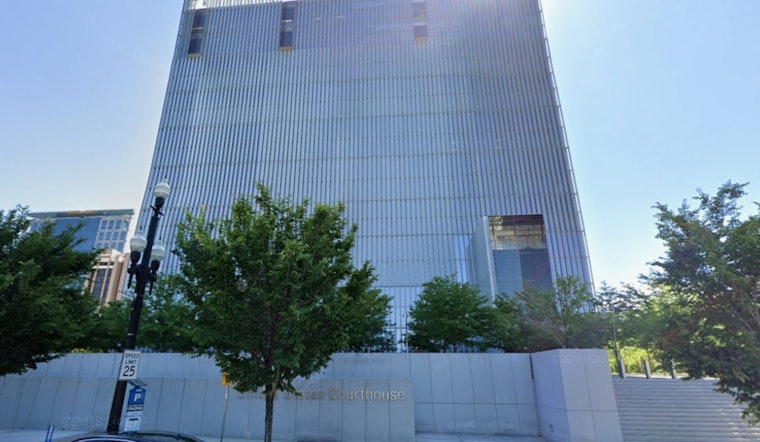
Utah’s latest culture fight has landed in federal court, with authors, the estate of Kurt Vonnegut, and two Utah high school students lining up against state lawmakers over what kids can read in school. They have joined the ACLU of Utah in a lawsuit targeting House Bill 29, arguing the state’s book removal rules are less about protecting children and more about scrubbing shelves. Supporters of the law call it common sense; opponents call it censorship.
Earlier this month, the ACLU of Utah and two law firms filed Vonnegut v. Utah in the U.S. District Court for the District of Utah, arguing HB29 has already led to blanket removals of books from school libraries across the state. According to the ACLU of Utah, the suit seeks to protect students’ First Amendment right to receive ideas and authors’ rights to reach their intended audiences.
The complaint goes after what the plaintiffs describe as HB29’s automatic “Per Se” and “Statewide” bans, saying the law effectively orders schools to “strip their school libraries of any book that contains even a single description or depiction of sex,” regardless of context or literary value. The plaintiffs are asking the court to declare those provisions unconstitutional under the First and Fourteenth Amendments and to require that removed books be returned to library shelves. The ACLU of Utah filing lays out the legal theory and the remedies they want.
Which Books Have Been Pulled
Local reporting has tallied hundreds of titles removed from individual school libraries across Utah, with 22 books now crossing the threshold for statewide removal under HB29. Recent additions to that list include Gregory Maguire’s Wicked, Stephen Chbosky’s The Perks of Being a Wallflower, and Sarah J. Maas’s A Court of Thorns and Roses series. KSL/Deseret News has been tracking the growing list along with the state board postings that trigger statewide bans.
Lawmakers Push Back
The lawmakers behind HB29 are not exactly backing down. Bill sponsors and other conservative legislators have defended the statute as a straightforward way to keep explicit material away from kids, while still letting local school leaders make final calls.
Sen. Todd D. Weiler told reporters he was “disappointed that the ACLU wants to proliferate school libraries with porn and other materials harmful to children,” framing the lawsuit as an overreach. Rep. Ken Ivory called the law a tool that “creates a transparent process” and advised opponents to “take a deep breath.” Both sponsors were quoted in coverage by KSL/Deseret News.
Legal Stakes And Next Steps
The plaintiffs have named the Utah attorney general, the Utah State Board of Education, and several school districts as defendants. They are asking the federal court to strike down HB29’s Per Se and Statewide ban provisions and declare them invalid.
In their filing, the plaintiffs argue the rules sweep in award-winning and long-published titles without regard to student age, classroom use, or any broader educational context, which they say makes the law unconstitutionally overbroad. The ACLU of Utah documents outline the specific constitutional claims and the relief they want the court to grant.
National Attention And Industry Response
The case has quickly drawn eyes beyond Utah. Publishers and trade outlets are casting the lawsuit as part of a wider free speech showdown playing out in statehouses and courtrooms across the country. Coverage in Publishers Weekly noted that the involvement of authors and the Vonnegut estate has amplified attention on the case and warned that HB29’s automatic triggers could cause bans to “snowball” as more districts take books off shelves.
What To Watch Next
For now, Vonnegut v. Utah sits in the U.S. District Court for the District of Utah, with plaintiffs asking for a declaratory ruling and an order to put removed books back in school libraries. The lawsuit is set to test where courts draw the line between keeping students away from obscene material and policing constitutionally protected literature in public schools, a debate that will likely unfold through motions, hearings, and legal briefs in the coming months. The ACLU of Utah and its complaint provide the opening roadmap for that fight.





