

























































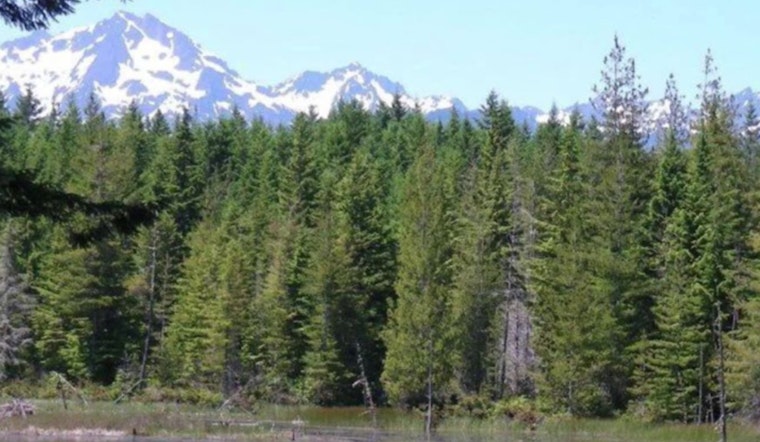
In a move to address the growing environmental pressures on Washington's western forests, the Department of Natural Resources (DNR) unveiled a comprehensive plan aimed at creating a healthier, more sustainable ecosystem. The Western Washington Forest Health Strategic Plan, released today, sets forth initiatives and specific action items designed to tackle the unique challenges facing this region's forests, from the Olympic Peninsula sweeping down to the Columbia Gorge.
With over 60 percent of Washington's population residing in the western part of the state, which encompasses about 30 percent of its land, the stakes are astonishingly high. As noted in a recent release, the forests are dealing with "an accelerating mix of threats," including prolonged droughts and intense heat events. "Ensuring a future of healthy forests in western Washington has never been more urgent," said Commissioner of Public Lands Dave Upthegrove, as per the Department of Natural Resources.
The strategic plan is the product of an extensive collaborative process. Following a model similar to the 20-year strategic plan for Eastern Washington, the planning involved a broad coalition of stakeholders. A Forest Health Advisory Committee offered recommendations to shape the plan, and a diverse work group met throughout 2025 to hash out the goals and strategies before integrating feedback from multiple field visits and discussions with Tribal governments. This collective input aimed at ensuring indigenous knowledge and priorities are considered throughout the plan.
Included among its strategies are actions like the conception of a Western Washington National Forest Road Strategy and efforts to boost housing affordability for the natural resource workforce in rural and Tribal communities. Despite large wildfires being less common on the west side of the Cascades, the potential impact on infrastructure and lives can be disproportionately high, necessitating proactive measures. Commissioner Upthegrove warned, "The risk of catastrophic wildfires in western Washington is growing," the DNR stated.



