

























































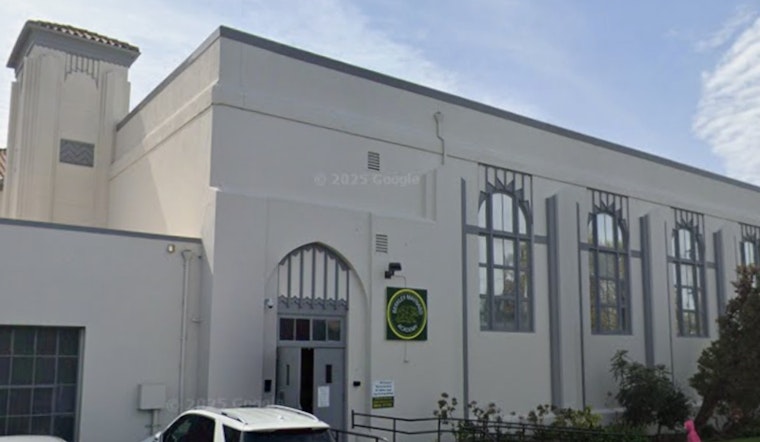
Two former employees at Aspire Public Schools’ Berkley Maynard Academy in Oakland have filed whistleblower lawsuits that paint a bleak picture of life on the campus for students with disabilities. The suits, brought by former assistant principal Iris Velasco (identified in filings as Iris Velasco Wilkes) and teacher Maryann Doudna, claim the charter school failed to provide legally required special‑education services and retaliated against staff who sounded the alarm. The complaints describe classrooms short on supports, students who did not receive promised one‑on‑one aides and staff departures that left the school stretched thin. Velasco says she was terminated in the middle of the school year after raising concerns, and colleagues staged a protest the next day. The filings, along with staff accounts, have drawn attention from state education officials and renewed scrutiny of special‑education supports at the school.
As reported by KQED, Velasco and Doudna allege they were pushed out after repeatedly raising concerns about support for students with Individualized Education Programs. The outlet reviewed records indicating the California Department of Education found Berkley Maynard in compliance on five of seven allegations but out of compliance on two. According to the plaintiffs, those problems worsened after leadership turnover and ongoing gaps in special‑education staffing.
Former Staff Describe A "Sick" School
Velasco told reporters, “Our school felt sick,” recalling an incident where she says she found a kindergarten student who required a one‑to‑one aide crying alone on campus. She and other former and current educators said children who needed extra support sometimes wandered away from classrooms. They described rooms where student behavior escalated without enough adults to step in and de‑escalate, and a climate in which speaking up about those conditions allegedly drew hostility from leadership, prompting many staff members to quit. Those recollections, along with the underlying complaints, appear in interviews and filings detailed by KQED.
State Records And School Data
Berkley Maynard Academy serves roughly 500 students and, according to state counts, enrolls a notably high share of Black students compared with other Aspire Bay Area campuses. The California Department of Education’s school profile confirms the campus address, enrollment and ethnicity breakdowns, per the California Department of Education. Staff say those demographics shape how families experience shifts in special‑education services and support on the campus.
Hiring And Leadership Turmoil
Aspire’s public school page for Berkley Maynard currently lists open positions for elementary teachers, instructional aides and leadership roles, signaling an ongoing hiring push that the network says is aimed at stabilizing the campus, according to Aspire Public Schools. Former employees told reporters that a longtime principal left at the end of the 2023–24 school year and that subsequent leadership changes added to uncertainty on campus. Families and staff said some parents responded by withdrawing their children or moving them into other programs while the school works to rebuild its support systems.
Legal Implications
The lawsuits accuse Aspire of whistleblower retaliation and of failing to meet obligations under special‑education law, and they could lead to additional administrative reviews or due‑process actions overseen by state offices. The California Department of Education outlines dispute‑resolution and due‑process procedures, including timelines for state compliance complaints and options for mediation or Office of Administrative Hearings proceedings, in its dispute‑resolution guidance, according to the California Department of Education. For now, the cases remain in their early stages, and the plaintiffs and Aspire are expected to move through discovery and other pretrial steps while families and educators watch to see whether any broader corrective actions follow.





