

























































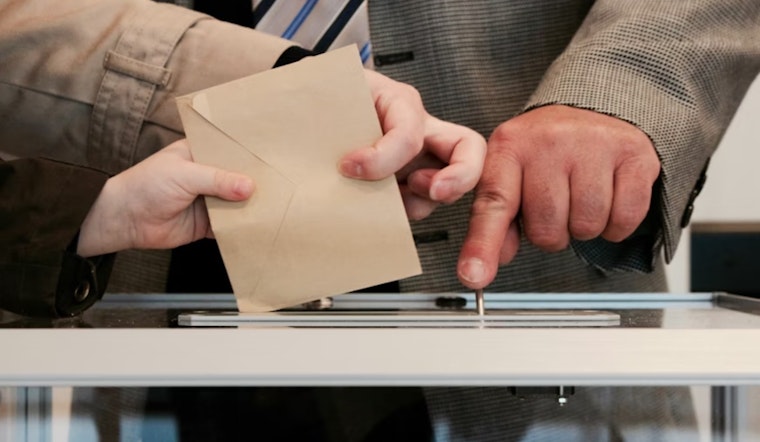
Roughly 11,000 Cuyahoga County voter records just landed in bureaucracy purgatory after verification checks turned up mismatched information, according to county election officials. Those voters have been mailed confirmation notices and will have to cast provisional ballots at the polls until their records are fixed. If the mismatches are never corrected, the registrations can be canceled after four years. Some voters might not feel the impact until the May 5 primary.
Where the flags came from
The Board of Elections says the flagged records came out of a monthly data comparison that checks the county voter list against outside databases, including the Bureau of Motor Vehicles and the Social Security Administration. As explained by the Cuyahoga County Board of Elections, the mismatch can involve a driver’s license or state ID number, date of birth, or Social Security number. Affected voters "have already been mailed a Voter Confirmation Notice" and are being told to clear up the problem either at the polls or by returning the form. Those who do not fix the issue risk losing their registration later on.
New law made checks automatic
This surge of flagged records is not a random fluke. It follows recent legislative changes in Columbus that require more aggressive cross-checking of voter data. The new rules, enacted as Senate Bill 293, tighten verification requirements and allow records with mismatches to be placed in provisional status. The Associated Press reported that Gov. Mike DeWine signed the measure in December, and that advocates are warning it could mean more provisional ballots and more registration cancellations.
Board braces for higher provisional volume
Election officials are already gearing up for the paperwork rush. At a recent meeting, the board approved printing 30,000 provisional envelopes ahead of the May primary and estimated that the order will cost around $36,000, according to Cleveland.com. Officials said the elections office hires seasonal workers to handle pre-election tasks and that temporary staff commonly earn about $15 an hour. Precinct election officials are paid roughly $220 for the day of service, according to the Cuyahoga County Board of Elections. The board told reporters it may need to recruit thousands of poll workers and temporary clerks to process a higher volume of provisional ballots and run the May 5 canvass.
What voters should do
The simplest advice from officials is not glamorous but it is crucial: check your registration early. Voters are being urged to confirm their records well before the April 6 registration deadline for the primary. The Ohio Secretary of State's voter lookup lets residents verify their name, address, and ID information online. The Board’s Voter Confirmation Notice also includes a form that voters can return if a correction is needed. Those who show up at the polls with unresolved mismatched information will cast a provisional ballot and then have a short window after Election Day to provide proof so that ballot can be counted.
Legal and political pushback
Civil-rights and voting organizations say SB 293’s verification system is primed to misfire, particularly for naturalized citizens and people who recently changed their names. The ACLU of Ohio and allied groups have asked the secretary of state to revise procedures they argue could lead to unlawful cancellations. At the board meeting, director Anthony Perlatti said he expected the agency might need to ask Cuyahoga County Council for additional funding. Board spokesman Mike West told reporters that no formal request had been made as of the meeting, according to Cleveland.com.
For all the legal wrangling, the practical takeaway for voters is straightforward. Confirm your information now so you can cast a regular ballot in May. Election officials say the county is preparing for a wave of provisional ballots, but the more people update their records in advance, the fewer votes will be tied up in post-election review.





