

























































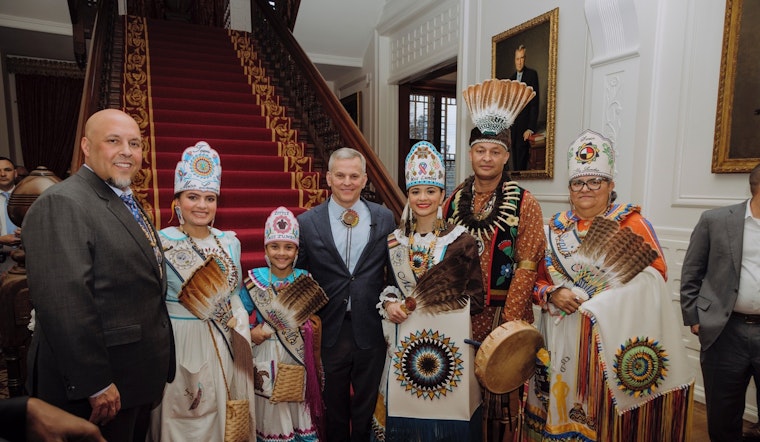
North Carolina’s long-running fight to secure full federal recognition for the Lumbee Tribe officially turned into a celebration this week, as Gov. Josh Stein joined the North Carolina Commission of Indian Affairs on Tuesday to mark the milestone. State officials say the move will finally connect roughly 68,000 Lumbee members to federal programs that had been out of reach for generations. Stein called it “an honor” to celebrate the long overdue recognition alongside tribal leaders in what he described as the people’s house.
It was an honor to celebrate the long-overdue federal recognition of the Lumbee Tribe along with the NC Commission of Indian Affairs in the People’s House. 68,000 members of the Lumbee Tribe call North Carolina home. They are a vital part of North Carolina’s history, and I https://x.com/i/status/2026681316746441137
— Governor Josh Stein (@nc_governor) February 25, 2026
Federal recognition formalized this winter
The Department of the Interior formally added the Lumbee Tribe to the official list of federally recognized tribes on Jan. 30, 2026, saying the action implemented recognition that became law in December 2025, according to the Department of the Interior. The notice in the Federal Register cements a government-to-government relationship, making the tribe eligible for federal programs and benefits once agencies finish the implementation process. Interior officials described the move as fulfilling a promise to the Lumbee people after decades of advocacy and political starts and stops.
Congress secured that recognition by folding the Lumbee Fairness Act into the Fiscal Year 2026 National Defense Authorization Act, which passed and was signed in December 2025, as reported by AP. The last-minute inclusion capped a legislative push that has stretched for more than a century and sparked celebrations on Capitol Hill and in Pembroke when the measure cleared Congress. Lawmakers from both parties who backed the bill framed the vote as correcting a long-standing injustice.
What recognition will mean for Lumbee members
State and federal officials say full recognition opens the door to services such as Indian Health Service care, education grants, housing programs, and disaster relief that were largely off the table under the 1956 Lumbee Act. Gov. Stein has directed state cabinet agencies to work closely with tribal leaders to “maximize the positive impact” as the Lumbee build capacity and prepare to tap into those resources, according to WRAL. Officials estimate roughly 68,000 Lumbee members live in North Carolina and will be directly affected by the shift.
The Lumbee Tribe has cast the moment as the long-awaited end of legal limbo. In a statement on the tribe’s website, Chairman John L. Lowery said he “had the honor” of witnessing the signing and described federal recognition as correcting the injustices created by the mid-20th-century law, according to the Lumbee Tribe.
Politics, legal questions and next steps
Even with the celebration, big questions remain about how quickly federal benefits will reach Lumbee households and how the tribe will navigate land-into-trust rules and any potential gaming or economic development projects that require separate regulatory steps. The recognition moved through Congress amid debate and some opposition, and experts note that the tribe will still need federal approvals for trust land acquisitions and any compacts under the Indian Gaming Regulatory Act, according to reporting by AP. How those processes unfold will have major implications for economic and community development in Robeson County and surrounding areas.
For now, state leaders say the immediate focus is coordination rather than grand promises. Stein told the commission, and reiterated on social media, that state agencies will work with Lumbee officials to roll out programs and improve health, education, and economic outcomes as federal resources begin to flow, as he wrote on X.





