

























































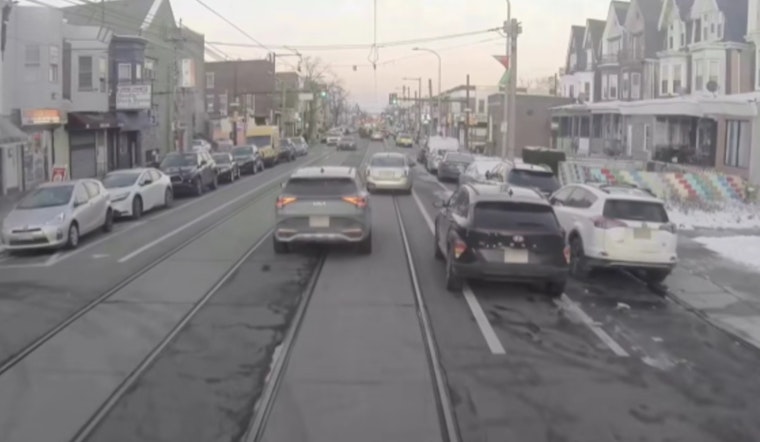
SEPTA trolleys across Philadelphia are about to get some robotic backup. Officials announced Thursday that trolleys will soon be equipped with AI-powered cameras that spot and document vehicles blocking trolley lanes and stopping zones. Installation is scheduled to start March 2, followed by a 30-day warning period, with real citations beginning April 1. The move expands a camera program already in place on hundreds of buses that is intended to speed up service and improve safety for riders.
The Philadelphia Parking Authority says the initial phase will outfit trolleys on Lines T1 through T5 and the G1 route, putting cameras on about 30 vehicles and giving drivers that 30-day grace period before $51 fines kick in, according to the PPA. The authority notes that forward-facing vision camera systems were already mounted on 152 SEPTA buses last year as part of the Automated Bus Camera Enforcement Initiative. PPA and SEPTA officials stress that trained PPA enforcement officers will manually review footage before any ticket is mailed out.
How the cameras work
The systems use computer vision to flag vehicles that are stopped or parked in transit lanes and at designated trolley or bus stops, then capture an image of the license plate and the vehicle’s location before sending that data to the PPA for verification and ticketing, according to SEPTA. A 70-day pilot in 2023 tested the tech in Center City and logged thousands of stop- and lane-blocking incidents, giving planners a detailed map of where enforcement would have the most impact. SEPTA says early use of the cameras on buses has helped pinpoint chronic trouble spots and shape its on-the-ground enforcement strategy.
Why trolleys are different
Trolleys are less forgiving than buses when something is in their way. Running on fixed rails, they cannot swerve around a parked car, which means one bad parking decision can strand a whole line of riders or force them to board in live traffic, transit officials warn. “A single illegally parked vehicle can disrupt service for thousands of riders and create unsafe boarding conditions that force passengers into moving traffic,” PPA executive director Rich Lazer said, as reported by The Philadelphia Inquirer. That vulnerability helped drive the call to extend automated enforcement to trolley routes.
Enforcement timeline and fines
According to the PPA, installation on the selected trolleys starts March 2, followed by a 30-day warning period before $51 fines take effect on April 1. Officials say every alleged violation will get a manual review by PPA staff before a citation is issued and that this first wave of trolley cameras will focus on lines that serve major corridors. The agency describes the trolley effort as a continuation of last year’s bus enforcement program, aimed at improving accessibility and supporting the city’s Vision Zero safety goals.
Early results and costs
Data obtained by the NBC10 Investigators shows that bus-mounted cameras generated more than 112,000 citations in the program’s first seven months and helped increase bus speeds by roughly 3 to 6 percent on enforced routes, NBC10 reported. The investigation also found that the PPA pays the vendor about $400,000 per month, and that collected fines so far have outpaced program costs. Officials, however, continue to frame the program as a transit reliability and safety measure rather than a money-maker. NBC10 also reported that the PPA is working with the city to identify more loading and drop-off zones for delivery and rideshare drivers and that fewer than 1% of issued citations have been overturned on appeal.
What riders and drivers should know
The 70-day pilot in 2023 tallied more than 36,000 cases of vehicles blocking bus lanes and stops, a dataset that helped agencies chart problem areas, according to The Philadelphia Inquirer. Officials say the new enforcement will be focused on those hot spots and that the warning period is meant to give drivers time to adjust before real tickets arrive. Transit leaders emphasize that the larger goal is keeping platforms and curbs clear and accessible, especially for riders using wheelchairs and other mobility devices.
Legal background
City Council cleared the way in October 2023, passing legislation that authorizes the PPA and SEPTA to use automated camera systems on buses and trolleys, according to SEPTA. The program’s sponsor, Councilman Mark Squilla, backed the measure as a tool to improve transit speed and accessibility. Officials say they will track how the rollout goes and make adjustments as needed before expanding the technology to additional lines.




