

























































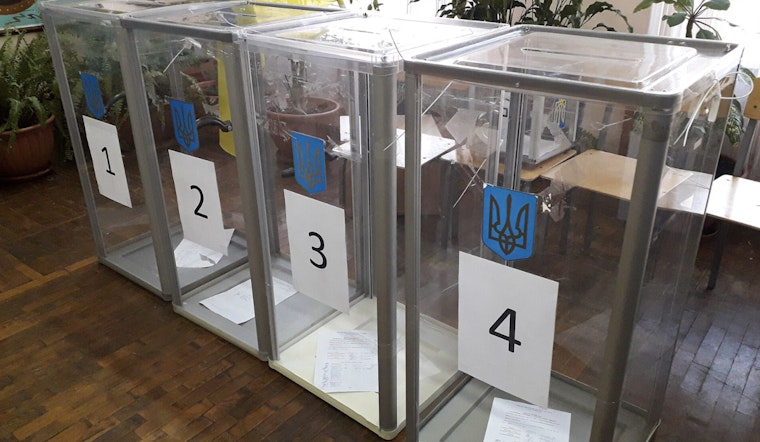
Albany Democrats are rolling out a fresh slate of election bills that they say would put a big, bright do not disturb sign on New York's voting system for anyone in Washington looking to meddle. The package, unveiled this week, is aimed at shielding both voters and election workers from what lawmakers describe as federal overreach into state-run elections. The measures focus on expanding automatic voter registration, locking in stable funding for county election boards, strengthening protections for election staff and voters, and setting clearer legal guardrails at polling sites. Sponsors are blunt that they see the effort as a direct response to national rhetoric and federal moves they argue could make it harder or riskier for New Yorkers to cast a ballot.
According to Gothamist, the bills are designed to improve automatic registration systems, boost safeguards for election workers and voters, and create more reliable funding streams for local boards that actually run elections on the ground. Voting-rights researchers have repeatedly found that proven cases of widespread voter fraud are vanishingly rare, a point underscored by research from the Brennan Center.
Bill would bar civil arrests at polling places
One of the headline items, Senate Bill S8596, zeroes in on what can and cannot happen near the ballot box. The proposal would exempt people from civil arrest while they are going to, remaining at, or returning from a polling place, unless there is a judicial warrant supporting that arrest. The bill text on the New York State Senate website also authorizes the state attorney general to bring civil actions if that rule is violated.
Supporters say the idea is to keep law enforcement activity from turning into de facto voter intimidation. As Gothamist reported, state Sen. Pete Harckham pointed to past immigration enforcement tactics as a warning sign, saying, “ICE has a history of extrajudicial arrests,” and arguing that the bill is meant to block that kind of chilling effect anywhere near voting sites.
National moves that prompted the push
New York's maneuver comes on the heels of a heated fight in Washington. The U.S. House recently passed a GOP-backed elections overhaul, the SAVE America Act, in a 218-213 vote that would require documentary proof of citizenship and a nationwide photo ID requirement, according to The Guardian.
At the same time, former President Donald Trump has publicly urged Republicans to “take over” or “nationalize” voting in certain places, comments reported by Reuters. New York Democrats say those remarks only reinforce their belief that state governments need clear, sturdy protections in place before the next big election cycle.
Legal questions and political stakes
Behind the politics sits a pretty basic constitutional tug-of-war. Legal scholars and lawmakers alike note that state legislatures have primary authority over the “times, places and manner” of federal elections. House Minority Leader Hakeem Jeffries leaned on that point when he warned on CNN that “what Donald Trump wants to do is try and nationalize the election, translation: steal it,” as reported by The Guardian.
Supporters of the New York package insist the bills are narrowly crafted to protect access to the ballot and curb intimidating or confusing enforcement near voting sites. Critics counter that any law affecting how federal agents interact with voters could set off messy legal clashes between state and federal authorities, especially if the two sides disagree on where their powers begin and end.
For now, S8596 sits in the Senate Codes Committee, where its sponsors say they will push for hearings and votes in the coming weeks. The broader package still has to survive the usual Albany gauntlet before anything lands on the governor's desk. Backers are pitching it as a mix of practical election-administration fixes and a preemptive shield against what they describe as an unprecedented federal push to reshape how Americans vote.



