

























































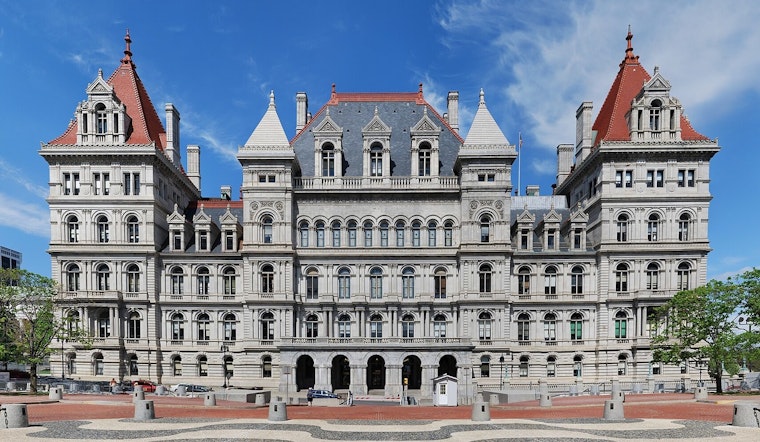
A sweeping packaging-reduction bill that would force large companies to sharply cut single-use packaging and outlaw several toxic chemicals is barreling back toward the New York State Assembly, reopening a bruising fight between environmental advocates and the plastics industry. Sponsors say the measure would take the cost of disposal and recycling off taxpayers and put it on producers instead, while industry groups warn the proposal is too rigid and could mean higher prices for shoppers. With lawmakers already floating amendments and eyeing late-session maneuvers, Albany is staring down another test of whether the bill can finally clear the lower chamber.
What the bill would require
The Packaging Reduction and Recycling Infrastructure Act, known as PRRIA (S.1464/A.1749), targets larger companies, those over a set revenue threshold, and orders them to cut packaging by specific amounts: 10% within three years and 30% within 12. It would also require certain levels of post-consumer recycled content and ban a slate of toxic materials. On top of that, the bill creates a producer responsibility system intended to bankroll recycling infrastructure and support local municipal programs. The detailed language appears in the bill text on the New York State Senate website. New York State Senate
Two years of near-misses in Albany
The measure has sailed through the state Senate in two straight sessions, only to stall just short of an Assembly floor vote each time, which has supporters grumbling that the clock, not the opposition, is their biggest enemy. Assembly Speaker Carl Heastie has said the votes were not there last session and that more work is needed, and a source familiar with internal Assembly talks told Spectrum News 1 there is confidence the bill can ultimately pass if additional amendments are added. Sponsors are now scrambling to avoid another end-of-session collapse while the bill remains politically contentious.
Industry lobbying and objections
Trade groups and manufacturers have mounted an aggressive lobbying push against PRRIA, arguing that broad chemical bans and limits on technologies such as molecular or chemical recycling would hit the economy hard and clamp down on tools they say are not ready for such strict treatment. The Business Council of New York State and allied industry organizations contend the bill's mandates overshoot other state extended-producer-responsibility laws and urge lawmakers to come up with something they consider more workable. Opponents warn that without changes, the measure could disrupt supply chains and ultimately push costs onto consumers.
The Business Council of New York State
Advocates say the stakes are high
Environmental supporters, led by Judith Enck of Beyond Plastics, argue PRRIA would cut plastic pollution, reduce microplastics in food and water, and save municipalities money by shifting disposal and recycling costs onto producers. Beyond Plastics and its partners have circulated analyses that project savings in the hundreds of millions of dollars for communities, and advocates have firmly rejected the idea that chemical recycling should count as a climate-friendly solution. The coalition backing the bill is pitching the fight as both a public health question and a bottom-line issue for local governments. Beyond Plastics
What to watch this session
Lawmakers are expected to haggle over amendments as they try to piece together a majority big enough to bring the bill to the floor, and veteran observers say its spot on the legislative calendar suggests it is still very much in play. The Assembly calendar showed movement on A.1749 earlier this year, a procedural step that could set up a third-reading vote if leadership decides to move. Both advocates and industry lobbyists are watching closely for any compromise language on technology and compliance timelines, changes that could make or break the bill.
Why it matters to New Yorkers
Backers say PRRIA would ease the growing cost of waste management for cities and towns, pointing to analyses that project statewide savings ranging from the hundreds of millions of dollars to more than $1 billion over a decade. Critics counter that whatever producers pay to comply could show up in higher prices at the checkout line. Polling cited by supporters shows strong public support for mandatory packaging reductions, but the political math in Albany will determine whether that sentiment actually becomes law. However it lands, the decision will shape how New Yorkers pay for packaging waste and who ultimately picks up the tab for years to come. Times Union





