

























































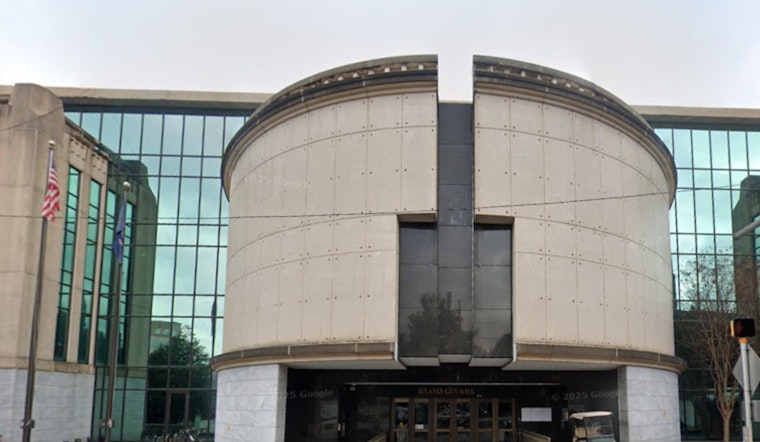
Atlanta has already burned through more than $2.8 million defending its Public Safety Training Center in court since 2023, according to public records. The tab includes hefty retainers for outside lawyers and months of payments to a consultant hired to manage a petition-verification effort that never actually got off the ground. Opponents say the invoices show how the fight shifted from council chambers to courtrooms long before Atlantans had a chance to vote.
According to The Atlanta Journal-Constitution, roughly one third of the spending went to a consultant hired to supervise a signature-checking process that never began, with the rest flowing to outside lawyers defending the city in two major cases. The city has paid former municipal clerk Foris Webb III 26 monthly installments of $35,000, totaling about $910,000. It has also spent roughly $840,000 on Bondurant Mixson & Elmore attorney Robert Ashe, and more than $1 million on Troutman Pepper for an environmental challenge. The outlet also reports that the facility opened in April 2025, and that a federal appeals panel sided with the city in January on a key legal question tied to the referendum effort.
Opponents first tried to force a referendum after the City Council approved funding for the training center, and organizers say they turned in more than 100,000 signatures in 2023 that still have not been counted while the petition battle grinds through the courts. Judges have been weighing whether non-Atlanta residents were allowed to collect signatures and how the city must verify them, leaving the petition in legal limbo, as detailed by Georgia Public Broadcasting. That pause has let construction and site work continue even as organizers push for a public vote.
Where the money went
The consultant contract is the flashiest line on the bill. Webb’s agreement calls for a $35,000 payment every 30 days, which works out to about $1,166 per day, and invoices show 26 such payments through last November. The rest of the spending is largely tied to outside counsel for the referendum-residency lawsuit and the environmental case, with those legal bills making up the bulk of the $2.8 million total. So far, city officials have released only the contracts and invoices themselves as the public record explaining how the money was spent.
The site, price tag and protest fallout
Court filings identify the training center site as 1350 Constitution Road and list an 86.9-acre construction footprint, according to the federal complaint cited in the litigation. Local reporting has tracked how the project’s size and security needs pushed costs above early expectations. SaportaReport has detailed additions including technology upgrades and on-site facilities that have added to the overall price tag. Protest-related vandalism and heightened security at the site have also been cited in local coverage as reasons the bill keeps growing.
Politics and next steps
Opponents and several City Council hopefuls are already signaling that the uncounted petitions and the city’s mounting legal tab will be campaign fodder in coming elections, according to local civic reporting. Coverage by Atlanta Civic Circle shows candidates trading blame over who is responsible for the stalemate, while organizers promise to keep the pressure on elected officials. With court calendars and election cycles beginning to overlap, the training center fight is poised to keep resurfacing at front doors, on debate stages and in council meetings.
Legal implications
Legal experts say the heart of the dispute, residency rules for petition circulators and the mechanics of signature verification, raises First Amendment questions that courts around the country are still trying to sort out. The Fordham Law Voting Rights and Democracy Project has examined how residency requirements can collide with ballot-access protections, and attorneys say the Atlanta litigation could help shape guidance that other cities will be watching closely. For petitioners, possible next moves include more litigation or pushing for charter changes. For the city, the invoices suggest the legal defense will remain a recurring expense for the foreseeable future.
For now, the paper trail of contracts and invoices makes one thing clear: Atlanta opted to spend heavily defending the training center in court rather than move ahead with counting the petitions that could have triggered a referendum. Organizers say that decision has turned the project into an ongoing political and legal brawl that will not really end until both the courts and the voters have had their final say.





