

























































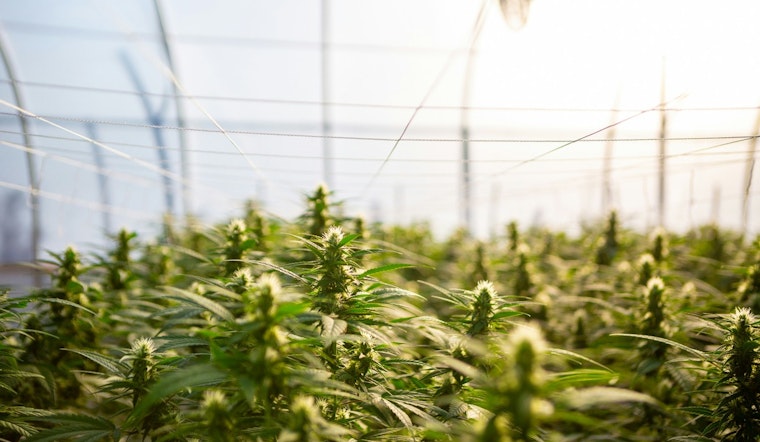
Texas hemp businesses say they are staring down a financial cliff as state health officials consider a rule overhaul that could hike some required fees by more than 13,000 percent. Under the proposed changes, annual retail registrations would jump from $150 to $20,000 and manufacturers’ licenses from $250 to $25,000, a leap many shop owners say their books simply cannot handle. Regulators are expected to make a final decision by March 30, 2026, a timeline that has independent growers and storefronts across the state scrambling to decide whether to pay up, pivot, or shut down.
How Big the Increase Would Be
The fee spike is wrapped into a wider rewrite of state hemp rules that would tighten testing, packaging, and age verification and would effectively outlaw most smokable hemp products, according to coverage of the proposal. As reported by The Texas Tribune, the revised structure would raise manufacturer licenses to $25,000 a year and retail registrations to $20,000 a year. Industry advocates say those numbers function less like routine regulatory fees and more like a locked door for small operators.
Small Shops Say the Math Does Not Add Up
At a January hearing in Austin, shop owners lined up to warn that the rule package would wipe out most of their current product lines while slapping them with fees they cannot afford. They described a one-two punch: new limits, including a total THC formula, that would knock much of their inventory off the shelves, followed by licensing costs that could overwhelm already thin margins. In an interview with WFAA, an Oak Cliff cultivator estimated that the THC calculation change alone could eliminate about 90 percent of his inventory and push his annual costs above $45,000 once he adds up multiple locations.
Supporters Say Fees Should Cover Enforcement
Backers of the overhaul argue that hemp companies are now big enough to bankroll tougher oversight. They say stricter rules are aimed at keeping intoxicating products away from young people, not at crushing mom and pop stores. As outlined by Community Impact, Texans for Safe and Drug-Free Youth told regulators the proposed fees are “fair and appropriate” for businesses profiting from what they describe as a billion-dollar market. Supporters say the money would help pay for enforcement and education that the state currently struggles to fund.
Timeline and What Comes Next
The proposed rule landed in the Dec. 26, 2025, edition of the Texas Register, setting an “earliest possible adoption” date of Jan. 25, 2026, and opening a 31-day public comment period, according to FOX 7 Austin. State officials have told local outlets they expect to issue a final decision by March 30, 2026, per reporting by WFAA. The health department can tweak the proposal after reviewing comments, then publish a final adoption notice in the Texas Register that would lock the new regime into place.
Legal Fights Could Slow Enforcement
The rulemaking is unfolding against the backdrop of a legal tug of war over which hemp derivatives the state can treat like controlled substances. KERA reported that the Texas Supreme Court heard arguments in January on a challenge to the Department of State Health Services' scheduling decisions involving compounds such as delta 8 THC, a case that could influence how far the agency can go when it writes and enforces hemp rules. Until the high court weighs in, even final rules may sit under a cloud of uncertainty.
What Is at Stake
State estimates suggest the revamped fee structure could bring in around $200 million a year. The Houston Chronicle reports that regulators project roughly $202 million in annual revenue, a figure that assumes most existing hemp businesses stay in the game and pay the higher rates. Trade groups and shop owners counter that thousands of small retailers would likely close rather than absorb the costs, shrinking the regulated market and nudging customers toward unregulated products instead. For hemp farmers and shop owners across Texas, the next few months may determine whether they keep their doors open or watch the industry they helped build shift out of their reach.




