

























































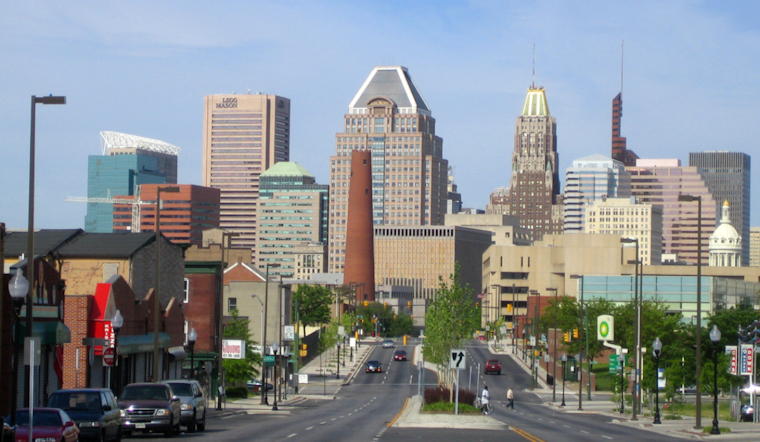
Baltimore woke up Friday shrouded in patchy, locally dense fog that had dropped visibility in river valleys and low-lying neighborhoods and dragged down the early commute. With temperatures hovering near freezing in many spots, leftover moisture has the potential to turn slick wherever freezing fog develops. The good news for commuters: the fog is expected to thin by mid-morning as skies clear and highs climb into the low 50s (around 51°F).
Foggy Morning Commute
The National Weather Service issued a Special Weather Statement early Friday, flagging visibility that could drop below one-quarter mile and warning of freezing fog or icy patches on bridges and overpasses. Drivers rolling into the soup are urged to slow down, stick with low-beam headlights, and leave extra space between vehicles. For the full text of the advisory, see the National Weather Service Baltimore/Washington.
Afternoon And Weekend
Most neighborhoods should break out of the gray by midday, with sunshine, light east winds, and an afternoon high near 51°F. Saturday looks even more pleasant, with warmer, sunnier conditions and highs around 57°F.
Looking ahead, a cold front may slide in late Sunday into Monday. Forecasters are keeping an eye on a low-confidence chance of snow or a wintry mix from Monday into Tuesday, with any meaningful impacts most likely in higher elevations. We covered the recent fog and weekend uncertainty in more detail earlier.
What Drivers Should Do
If you are heading out this morning, build in extra travel time, flip on the low beams in fog, and stay alert for wet or icy spots on bridges and overpasses where freezing fog is possible. If your plans take you into higher elevations on Monday or Tuesday, keep an eye on updated forecasts since the timing and type of precipitation could change. Transit riders should also check local alerts before leaving home if they rely on buses, light rail, or MARC trains.





