

























































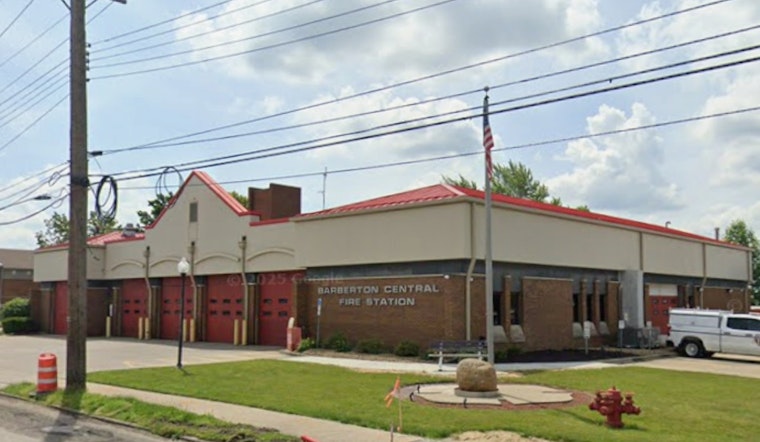
In a demonstration of seamless interdepartmental coordination and medical expertise, the Barberton Firefighters Local 329 has highlighted an instance of their lifesaving interventions on social media. As posted on their Facebook page, all Barberton Firefighters boast a dual training that qualifies them to attend to both fire-related incidents and emergency medical services (EMS). This dual capacity was put to the test in the early hours of the morning, around 02:00 am, when the crew effectively diagnosed a heart attack and promptly acted to initiate life-sustaining procedures.
According to the Barberton Firefighters Local 329 social media post, the firefighter-paramedics executed a rapid response that included recognizing cardiac distress, transmitting an EKG, and engaging the Cardiac Cath Lab team at Summa Hospital—all within a groundbreaking 7 minutes from their arrival at the scene. The achievement honors the crew's readiness and efficiency, which can be the deciding factor between life and death in critical cardiac events. This speed of service and level of care is emblematic of the dedication seen across emergency departments, where time is often the scarce currency traded against human life.
The Barberton team's intervention extended beyond mere transportation, en route to the hospital, they provided a crucial combination of medications, including blood thinners, antiplatelets, and vasodilators. These medical interventions are geared towards restoring and maintaining blood flow, and in some cases, may stop the heart attack's progression before the patient even reaches the catheterization lab. Their capability to administer such advanced therapeutics in the field showcases the extended scope of practice these dual-trained professionals possess, situating them at the forefront of pre-hospital emergency care.
As the firefighters' Facebook post elucidates, such dedication and medical proficiency have potentially saved a life that night. Instead of routing the patient through the emergency room, the crew diverted directly to the Cath lab, thus shaving off precious minutes and increasing the chances of a successful intervention to remove the clot. This instance stands as a testament not only to the highly specialized training these firefighters have undergone but to a broader commitment to patient care that extends well beyond the fiery scenarios for which they are perhaps most commonly known.




