

























































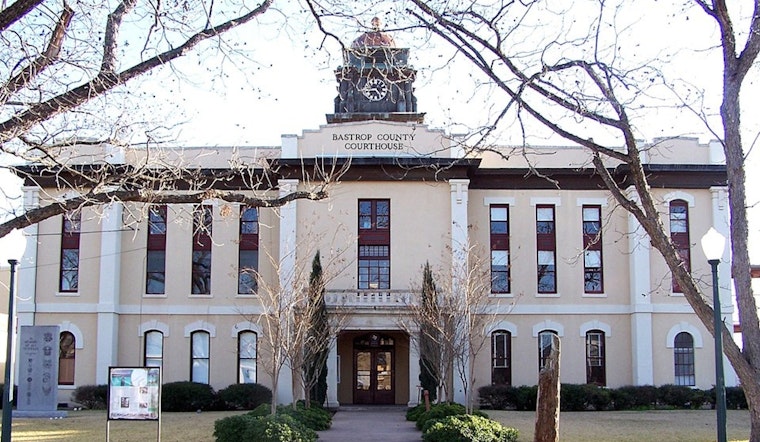
On Jan. 29, Bastrop County’s Commissioners Court signed off on a five-year Capital Improvement Plan that lines up roughly $219 million in projects for fiscal years 2026 to 2031, focused on county buildings, information-technology upgrades, and roads and bridges. About $64 million of that total is slated for the first year, setting up a Feb. 9 discussion where the court will consider issuing debt to cover that opening round of work. County officials say the package is designed to keep up with both fast growth and aging infrastructure, and the vote kicks off a multi-year procurement and construction schedule.
What’s in the plan
According to Community Impact, the adopted Capital Improvement Plan sorts projects into immediate, short-term, and long-term categories. The priorities on that list include new and expanded county office and judicial space, upgraded IT systems, and improvements to county roads and bridges. County documents reviewed for that reporting describe a committee of commissioners and department leaders that evaluated and ranked the projects. The result is a mix of basic maintenance on older facilities and added capacity to serve a growing population.
How the county would pay
The county’s Jan. 29 agenda packet shows that Commissioners Court plans to consider a “notice of intent to issue certificates of obligation” at the Feb. 9 meeting to fund the first-year slate of projects, which county documents put at about $64 million. The agenda and backup materials are posted on the Bastrop County meeting portal. If the court signs off on the notice, staff will move into the required financing steps to sell debt for those projects.
Why now: growth and recent projects
Bastrop’s rapid development helps explain the timing. The Bastrop EDC highlights a string of recent high-profile investments, from SpaceX/Starlink expansions to new data-center projects, that have been putting added pressure on county services and infrastructure. The CIP pulls together projects that county staff have already started advancing, including a new Development Services building and planning work for a jail expansion, which were reported earlier by Community Impact. Officials say the idea is to sequence that work so the county can keep pace with development and basic service demands.
What do certificates of obligation mean for taxpayers
Certificates of obligation, or COs, are a common financing tool in Texas that let local governments borrow for contractual obligations without going to a voter referendum. State law still requires public notices and provides procedures for protest in some circumstances, according to the Texas Municipal League. The eventual impact on taxes and the county budget will hinge on how much debt the county decides to sell, interest rates at the time of sale, and how commissioners choose to structure repayment. Lawmakers have recently floated new limits and additional guardrails on COs, so the rules around their use are in flux.
Next steps and how to follow
The next formal step lands at the Feb. 9 Commissioners Court meeting, where the court may publish the notice of intent and authorize staff to keep moving through the financing process. The court packet and supporting materials are available on the county’s meeting portal. County Auditor Jennifer Pacheco described the CIP in staff documents as “the county’s commitment to invest in our infrastructure while managing growth.” Residents can read the full packet on the county site and use the court’s public participation procedures to ask questions or offer comments at the meeting.





